


Why are there scars on Cuiyu's hands?
Dec 01, 2025
Source: Cainiu Health

Dr. Liu Wenmin
Introduction
Scarring on the hands during self-induced vomiting is primarily associated with physical friction damage, chemical corrosion from gastric acid, repeated scratching and irritation, wound infection and inflammation, or improper wound care. These factors can damage skin tissue and lead to scar formation. If the scar remains red, swollen, painful, or continues to expand, prompt medical attention is recommended. Repeated friction from fingers against the skin of the throat area during vomiting, or
Scarring on the hands from self-induced vomiting is mainly associated with physical friction injury, chemical corrosion from gastric acid, repeated scratching and irritation, wound infection and inflammation, and improper wound care. These factors can damage skin tissue and lead to scar formation. If the scar remains red, swollen, painful, or continues to expand, prompt medical attention is recommended.
1. Physical Friction Injury: Repeated friction of the fingers against the skin of the throat area during induced vomiting, or contact with rough surfaces, can cause epidermal abrasions and capillary rupture, leading to hyperpigmentation or scarring after healing.
2. Chemical Corrosion from Gastric Acid: Gastric acid in vomit coming into contact with the skin can burn epidermal cells and compromise the skin barrier. If not promptly treated, this may result in post-inflammatory scars or pigmented scars.
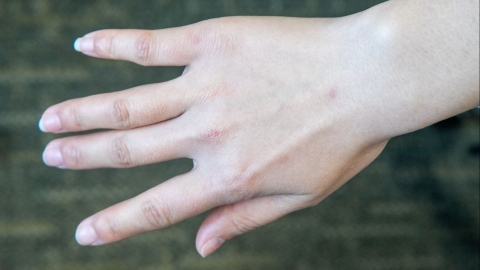
3. Repeated Scratching and Irritation: After vomiting, if the skin becomes uncomfortable or itchy and is repeatedly scratched, the depth of skin damage increases, healing time is prolonged, and the likelihood of scarring rises—particularly raised (hypertrophic) scars.
4. Wound Infection and Inflammation: Broken skin exposed to bacteria may become infected, causing symptoms such as redness, swelling, and pus. This disrupts normal healing processes and leads to excessive scar tissue growth, resulting in prominent scarring.
5. Improper Healing Care: Failure to keep the wound clean and dry, prematurely removing scabs, or inadequate sun protection can impair skin regeneration, causing scars to darken, harden, and become more persistent.
During the early stages of scar formation, applying gentle moisturizing and restorative products can support skin repair; avoid friction and sun exposure. For pigmented scars, minimize local irritation and consistently maintain moisturization and sun protection. Hypertrophic scars may benefit from gentle massage to improve blood circulation and help soften scar tissue.





