


How to Treat Heat Rash in Babies
May 18, 2022
Source: Cainiu Health

Dr. Liu Wan
Introduction
If your baby develops heat rash, the first step is to improve ventilation and cooling in the room. Clothing should be loose-fitting and breathable. Gently wipe the skin frequently with a clean, damp cloth to remove surface sweat and keep the skin clean and dry. Topical application of calamine lotion or dusting with baby powder may also help—both provide a cooling, soothing effect and promote resolution of the heat rash.
Prickly heat (miliaria) primarily develops in hot, humid environments when excessive sweating occurs but sweat cannot evaporate easily. This leads to obstruction of the sweat duct openings and leakage of sweat into surrounding tissues, triggering an irritant inflammatory reaction. So, how can prickly heat be managed in infants?
Managing Prickly Heat in Infants
If an infant develops prickly heat, the first step is to improve ventilation and cooling in the living environment. Clothing should be loose-fitting and breathable. The skin may be gently wiped frequently with a clean, cool, damp cloth to remove surface sweat and maintain cleanliness and dryness. Topical application of calamine lotion or dusting powder for prickly heat may also be used—both help soothe the skin, dissipate heat, and promote resolution of the rash. If localized pustules (pustular miliaria) develop, topical application of Coptis powder or ichthammol ointment, along with calamine lotion, may be considered; these agents possess both antibacterial and anti-inflammatory properties. For severe pruritus, oral antihistamines such as cetirizine drops or loratadine syrup may be administered symptomatically.
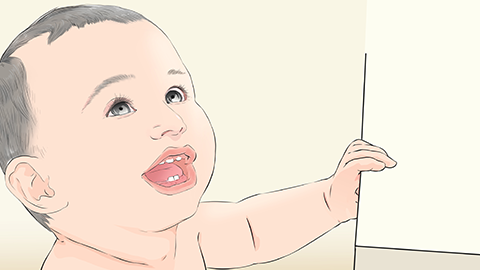
Pathogenesis of prickly heat: It commonly occurs during febrile illness or in hot, humid summer conditions, especially when environmental heat dissipation is impaired. Under these circumstances, sweat production increases while high ambient humidity impedes evaporation. Consequently, keratin at the epidermal sweat duct openings becomes macerated and swollen, leading to ductal obstruction. Accumulated sweat causes increased intraductal pressure, resulting in ductal dilation or rupture. Sweat then leaks into adjacent dermal tissue, provoking an inflammatory response characterized by papules and vesicles. Additionally, overgrowth of skin-surface bacteria may exacerbate local inflammation.
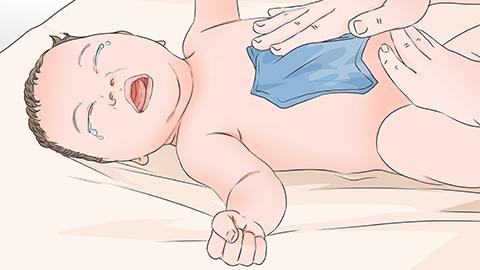
If an infant develops such symptoms, caregivers must take prompt notice. In managing prickly heat, attention should be paid to optimizing the environment—ensuring adequate ventilation, cooling, and temperature control. Affected infants should wear loose, breathable clothing and undergo frequent bathing and clothing changes. We hope this article proves helpful!






