


What medication should be used for heat rash?
May 18, 2022
Source: Cainiu Health

Dr. Liu Wan
Introduction
Prickly heat (miliaria) can be effectively treated with topical calamine lotion or baby powder—these are considered highly effective, even “specific” treatments. Prickly heat, also known as miliaria or heat rash, is a skin condition caused by excessive sweating combined with impaired sweat excretion in warm, humid environments. High ambient temperature and humidity lead to excessive sweating that fails to evaporate properly. We hope this response is helpful to you.
A superficial inflammatory skin disorder. It arises when normal skin is exposed to hot, humid air, leading to accumulation of damp-heat, which manifests on the skin surface as isolated or scattered red papules accompanied by marked pruritus. So, what medications can be used for treating prickly heat?
What medications can be used for treating prickly heat?
Topical calamine lotion or baby powder are highly effective—and may even be considered first-line treatments—for prickly heat. Prickly heat, also known as miliaria or heat rash, is a dermatological condition caused by excessive sweating in warm environments coupled with impaired sweat excretion. High ambient temperature and humidity, excessive sweating, and poor evaporation cause sweat to macerate the epidermal stratum corneum, resulting in obstruction of the eccrine ducts. This leads to retention of sweat within the ducts, increased intraductal pressure, ductal rupture, and subsequent leakage of sweat into surrounding tissues—triggering an irritant inflammatory response. Small vesicles and papules then develop at the ostia of the sweat pores.
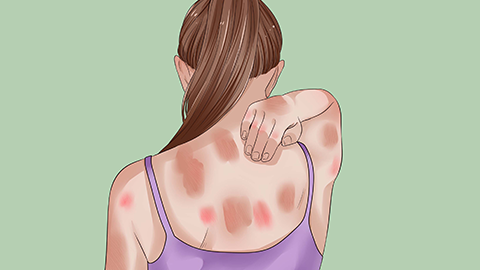
Additionally, warm, moist skin surfaces promote proliferation of Staphylococcus epidermidis, which may further occlude sweat pores or infect along the sweat ducts, contributing to the development of prickly heat. Symptoms are typically mild or absent; however, some individuals may experience slight pruritus or a burning sensation. Clinical classification of miliaria depends on the depth and location of eccrine duct obstruction, as well as the nature of the fluid within the lesions.
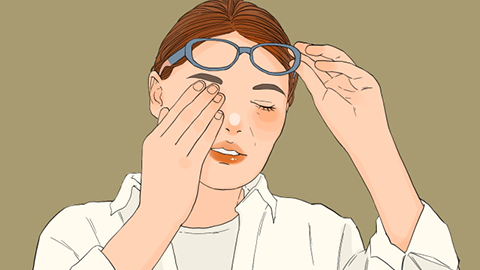
Prickly heat is prone to secondary bacterial infection, potentially leading to folliculitis, furuncles, abscesses, or impetigo. Regional superficial lymphadenopathy may also occur. As noted earlier, prickly heat—also termed miliaria or heat rash—is a dermatosis resulting from excessive sweat production combined with impaired sweat excretion in warm, humid environments. We hope this information proves helpful!







