


How to Quickly Reduce Facial Flushing After Drinking Alcohol
May 18, 2022
Source: Cainiu Health

Dr. Zhao Haiming
Introduction
Facial flushing after drinking alcohol is actually a sign of alcohol allergy and acetaldehyde toxicity. To quickly alleviate this flushing, it is advisable to drink plenty of water and urinate frequently to enhance acetaldehyde metabolism. Alternatively, consuming honey water or yogurt—which also support acetaldehyde metabolism—can help reduce facial redness. Drinking sugary beverages or receiving intravenous glucose infusion may further accelerate alcohol metabolism.
In daily life, banquets and social gatherings are inevitable, and alcoholic beverages—often serving as a catalyst for conviviality—are equally indispensable. Even those unaccustomed to drinking may end up having at least one drink under peer pressure. So, how can facial flushing after alcohol consumption be quickly alleviated?
How to Quickly Alleviate Facial Flushing After Drinking
Facial flushing following alcohol intake is actually a manifestation of alcohol intolerance and acetaldehyde toxicity. To rapidly reduce this redness, it is advisable to drink plenty of water and urinate frequently to enhance acetaldehyde metabolism. Alternatively, consuming honey water or yogurt may also support acetaldehyde breakdown and thereby help alleviate flushing. Drinking sugary beverages—or even receiving intravenous glucose infusion—can accelerate alcohol metabolism.
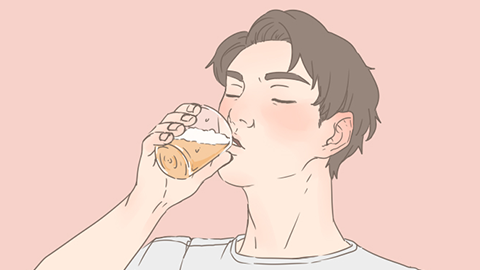
Alcohol-induced facial flushing results from vasodilation in the subcutaneous facial tissues, triggered by the conversion of ethanol into acetaldehyde. Individuals who flush readily after drinking typically lack sufficient aldehyde dehydrogenase (ALDH), leading to rapid accumulation of acetaldehyde in the body and impaired detoxification—hence the visible redness. Additionally, medical intervention—including intravenous administration of the alcohol-antagonist naloxone and diuretics—may be considered to promote acetaldehyde metabolism and excretion, thereby mitigating facial flushing. For individuals who consistently experience post-alcohol flushing, abstinence is strongly recommended. This reaction often reflects deficiencies in both alcohol dehydrogenase (ADH) and aldehyde dehydrogenase (ALDH) in the liver, resulting in sluggish alcohol metabolism and subsequent acetaldehyde buildup, which induces vasodilation and facial erythema. Excessive accumulation of ethanol and acetaldehyde may cause additional adverse effects, including allergic skin rashes, chest tightness, dyspnea, nausea, and vomiting.
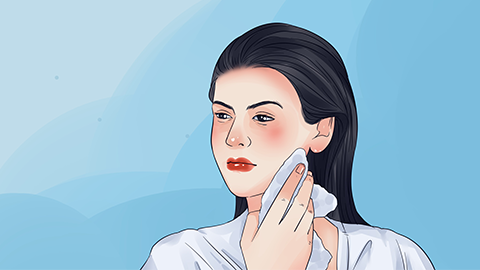
If you frequently experience facial flushing after drinking, it is best to avoid alcohol altogether. We hope this information proves helpful!





