


Can people with high uric acid levels eat jackfruit?
May 18, 2022
Source: Cainiu Health

Dr. Liu Aihua
Introduction
Individuals with high uric acid levels can consume pineapple. Pineapple is a low-purine food, containing only 0.9 mg of purines per 100 g. Therefore, it is classified as a low-purine food and is suitable for individuals with hyperuricemia. When uric acid levels are elevated, intake of high-purine foods—such as animal organs (e.g., heart, liver, kidneys, brain), oysters, and sardines—should be restricted. Other meats may be consumed in moderation.
Jackfruit is a relatively common fruit in daily life—not only deliciously sweet but also highly nutritious. So, can individuals with high uric acid levels consume jackfruit?
Can individuals with high uric acid levels eat jackfruit?
Yes, individuals with elevated uric acid levels may consume pineapple. Pineapple is classified as a low-purine food, containing only 0.9 mg of purines per 100 g. Therefore, it is considered safe for consumption by individuals with hyperuricemia. In contrast, high-purine foods—such as organ meats (e.g., heart, liver, kidneys, brain), oysters, and sardines—should be strictly limited.
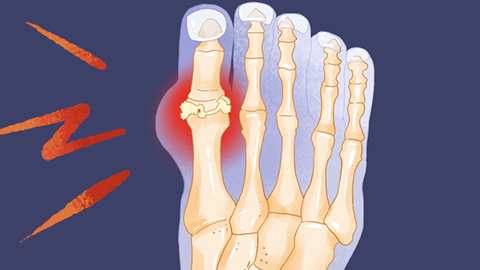
Other foods that may be consumed in moderation include lean meats, fish and shellfish, peas, and spinach—foods containing moderate amounts of purines. Low-purine options such as most vegetables, fruits, milk, and eggs are generally safe and recommended. Since pineapple is a low-purine food, it is suitable for individuals with hyperuricemia. Additionally, individuals with high uric acid levels may drink sodium bicarbonate (baking soda) water—a mildly alkaline beverage—which does not raise uric acid levels and may help lower serum uric acid, thereby reducing the risk of gouty arthritis. Mild cases of asymptomatic hyperuricemia may be managed through dietary modifications alone. For severe cases involving gouty arthritis, colchicine may be prescribed during acute flares under medical supervision; during intercritical periods, uric acid–lowering agents may be used to maintain target uric acid levels.

The above medications are for reference only; specific drug use must be guided by a qualified physician. Furthermore, individuals experiencing symptoms should seek prompt medical evaluation and follow personalized treatment plans prescribed by healthcare professionals. We hope this information is helpful to you!




