Can people with high uric acid levels eat fish?
May 19, 2022
Source: Cainiu Health

Dr. Liu Aihua
Introduction
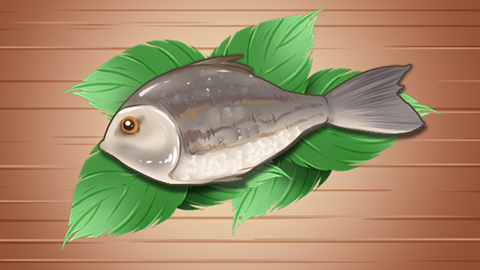
Consuming seafood fish with high purine content can further elevate serum uric acid levels, thereby triggering gout attacks. Regarding freshwater fish, some varieties—such as crucian carp, common carp, and sea bass—have relatively low purine content and are therefore acceptable for consumption. These freshwater fish are rich in protein and contain significantly less purine than marine fish.
In daily life, some patients with hyperuricemia wish to eat fish but are uncertain whether doing so might adversely affect their condition. So, can individuals with high uric acid levels consume fish?
Can individuals with high uric acid levels eat fish?
Consuming marine fish—particularly those high in purines—can further elevate serum uric acid levels and potentially trigger gout attacks. In contrast, certain freshwater fish contain relatively low purine levels and may be consumed in moderation by patients with hyperuricemia. Examples include crucian carp, common carp, and sea bass. These freshwater species are rich in protein yet contain significantly lower purine levels than marine fish; therefore, patients with elevated uric acid may safely include modest amounts of such freshwater fish in their diet. However, excessive intake should still be avoided, as it may raise uric acid levels.

Patients with hyperuricemia must control their total caloric intake and adhere to a low-purine diet. They should limit consumption of seafood, shellfish, soy products, mushrooms, and meat. Alcohol intake should also be minimized—especially beer—while small amounts of white or red wine may be acceptable if medically appropriate. Additionally, patients with hyperuricemia should engage in regular physical activity and, when necessary, receive pharmacologic treatment.
Individuals diagnosed with this condition should seek prompt medical attention and adopt a light, balanced diet. We hope this article has been helpful to you!