


What causes chest tightness, shortness of breath, and sweating?
May 19, 2022
Source: Cainiu Health

Dr. Li Man
Introduction
If symptoms such as chest tightness, shortness of breath, or diaphoresis occur, a comprehensive analysis should first be performed, integrating the patient’s medical history and other clinical manifestations. In patients with chronic heart disease presenting with chest tightness, shortness of breath, and diaphoresis, it is necessary to consider that external factors may have imposed an additional burden on the heart, precipitating heart failure. In patients with diabetes, these symptoms should initially be regarded as manifestations of glucose metabolism disorder; blood glucose testing is therefore essential to guide appropriate treatment.
In daily life, we may observe some individuals who experience chest tightness, shortness of breath, and sweating—even without engaging in strenuous physical activity. So, what could cause chest tightness, shortness of breath, and sweating?
What Causes Chest Tightness, Shortness of Breath, and Sweating?
When chest tightness, shortness of breath, and sweating occur, a comprehensive evaluation—integrating the patient’s medical history and other clinical symptoms—is essential. For patients with chronic heart disease presenting these symptoms, it is crucial to consider whether external factors have imposed additional cardiac stress, potentially triggering heart failure. In diabetic patients, chest tightness and sweating should raise suspicion of glucose metabolism disorders; blood glucose testing is therefore recommended to guide appropriate management. In otherwise healthy individuals, such symptoms may be directly related to excessive physical exertion or hunger.

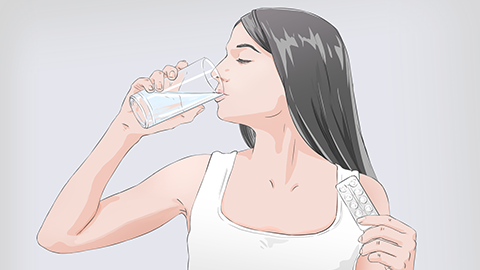
In daily life, avoid consuming overly spicy or stimulating foods and refrain from intense physical activity, as these may precipitate more serious health conditions. If chest tightness and profuse sweating occur suddenly and repeatedly, cardiac disease should be strongly suspected. Patients are advised to seek prompt medical evaluation at a hospital for systematic assessment and early prevention of cardiovascular events. To mitigate the risk of acute episodes, adequate rest is highly recommended. Excessive sweating increases susceptibility to colds and infections; thus, precautions against respiratory illnesses are essential. Patients with known heart disease should carry prescribed medications at all times and remain vigilant for signs of acute cardiac events. If a patient frequently experiences symptoms such as panic, diaphoresis (excessive sweating), or dizziness, immediate medical attention is warranted.
Regular physical exercise, balanced nutrition, and strengthening overall physical fitness are vital for maintaining robust health. We hope this information proves helpful to you!





