


What vegetables are good to eat when uric acid levels are high?
May 20, 2022
Source: Cainiu Health

Dr. Liu Aihua
Introduction
Uric acid is a metabolic byproduct of purines. The higher the purine content in food—such as various meats and animal offal—the greater the uric acid production during metabolism. Conversely, most vegetables contain very low levels of purines; examples include potatoes, Chinese yam, Chinese cabbage, cabbage, carrots, celery, cucumbers, eggplants, bok choy, lettuce, bamboo shoots, pumpkins, zucchini, and tomatoes.
Elevated uric acid levels are typically caused by metabolic disorders. In most cases, there are no noticeable symptoms in daily life, making this condition easy to overlook—often going undetected until gout symptoms appear. So, which vegetables are suitable for individuals with high uric acid?
Which vegetables are beneficial for individuals with high uric acid?
Uric acid is a metabolic byproduct of purines. Foods higher in purine content—such as various meats and organ meats—lead to greater uric acid production. Conversely, most vegetables contain very low levels of purines. Suitable options include potatoes, Chinese yam, napa cabbage, cabbage, carrots, celery, cucumbers, eggplants, bok choy, lettuce, bamboo shoots, pumpkins, zucchini, tomatoes, leeks, romaine lettuce, winter melon, and bitter melon. These vegetables are safe to consume. Increasing vegetable intake promotes digestion, regular bowel movements, and diuresis—all of which facilitate the elimination of uric acid from the body. Additionally, vegetables are rich in essential vitamins that support overall health.
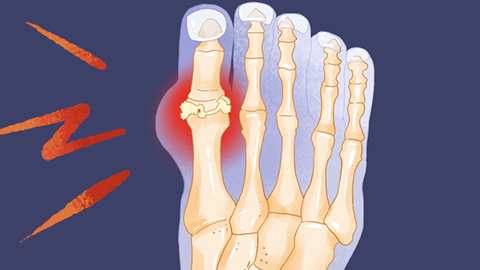
Persistently elevated uric acid levels may lead to gout and urinary tract stones. Therefore, individuals with hyperuricemia should increase their fluid intake to promote uric acid excretion, strictly control their diet, and avoid alcohol, carbonated beverages, coffee, and other stimulants. Regular outdoor physical activity and increased consumption of fruits and vegetables are recommended, while spicy, greasy, and cold foods should be avoided.

Additionally, individuals experiencing symptoms should seek prompt medical evaluation and follow their physician’s guidance for appropriate management. We hope this information proves helpful!




