


What is the normal value of QTc?
May 22, 2022
Source: Cainiu Health

Dr. Tian Hongbo
Introduction
The normal QTc interval typically refers to the corrected QT interval on an electrocardiogram (ECG), with a general reference range of 340–440 ms; however, the exact normal value may vary among individuals. If abnormalities are detected, prompt medical evaluation is recommended. Normal QTc values may differ slightly between individuals, and variations in laboratories or measurement methods may also lead to differences in reported QTc values.
The normal QTc interval typically refers to the corrected QT interval on an electrocardiogram (ECG), with a general reference range of 340–440 ms; however, the exact normal value may vary among individuals. If abnormal values are detected, prompt medical consultation is recommended. A detailed explanation follows:
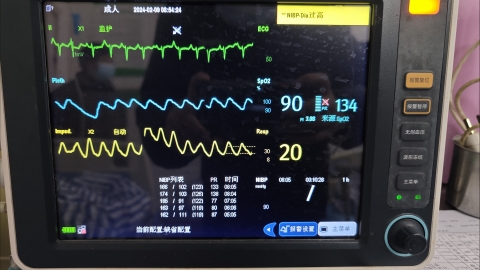
The QT interval is a critical temporal parameter on the ECG, representing the duration from the onset of ventricular depolarization to the completion of ventricular repolarization. Its length is closely correlated with heart rate: the faster the heart rate, the shorter the QT interval—and vice versa. Clinicians commonly use the corrected QT interval (QTc) to assess cardiac electrical activity. The generally accepted normal QTc range is 340–440 ms, although this range may vary slightly depending on the laboratory or measurement methodology employed.
QTc prolongation may indicate abnormal ventricular repolarization, thereby increasing the risk of arrhythmias and other cardiac complications. Potential causes include myocardial ischemia, myocardial infarction, electrolyte imbalances, or adverse drug effects. When ECG findings reveal QTc prolongation, physicians may recommend additional diagnostic testing to identify underlying cardiac pathology and formulate an appropriate treatment plan.
Normal QTc values may differ among individuals, and variations in laboratory protocols or measurement techniques can also influence QTc results. Therefore, QTc assessment should be performed at a reputable medical institution, and interpretation and management should strictly follow physician guidance. Individuals with known cardiovascular disease or elevated cardiac risk are advised to undergo regular QTc monitoring, which aids in evaluating overall cardiac health and tracking disease progression.






