


Normal Triglyceride Range
May 22, 2022
Source: Cainiu Health

Dr. Li Man
Introduction
From a clinical perspective, the normal triglyceride level in a healthy individual should be below 1.70 mmol/L; maintaining this level ensures adequate and normal energy supply to the body. A triglyceride level between 1.70 and 2.26 mmol/L indicates hyperlipidemia.
Triglycerides (TG) are organic compounds formed when the three hydroxyl groups of glycerol undergo esterification with three fatty acid molecules. As nonpolar substances, triglycerides are stored in the body in a non-hydrated form and represent the body’s largest energy reserve and most abundant source of energy production. Plant-derived triglycerides are typically liquid oils, whereas animal-derived triglycerides are generally solid fats. Collectively, both solid and liquid triglycerides are referred to as “fats and oils.” So, what is the normal reference range for triglycerides?
Normal Triglyceride Range
From a clinical perspective, a healthy individual’s triglyceride level should remain below 1.70 mmol/L. Maintaining levels within this range ensures adequate and balanced energy supply. If triglyceride levels fall between 1.70–2.26 mmol/L, this indicates the presence of hyperlipidemia.
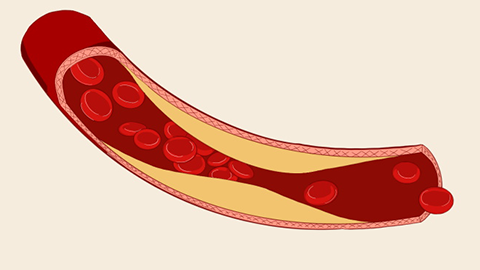
To prevent disease progression, patients should adopt healthier lifestyle habits—such as maintaining regular sleep schedules, cultivating an optimistic mindset, and engaging in routine physical activity—to help reduce triglyceride levels and keep blood lipid parameters within the normal range.

Individuals with elevated triglyceride levels must also modify their diet—for example, avoiding excessively oily or sugary high-fat, high-calorie foods. Additionally, drinking ample water daily helps dilute the blood, enhances circulation, supports optimal metabolic function, lowers blood lipid levels, and contributes to improved triglyceride control. We hope this information is helpful to you!







