


What Is the Normal Range for Blood Pressure and Heart Rate?
May 23, 2022
Source: Cainiu Health

Dr. Li Man
Introduction
A normal heart rate is 60–100 beats per minute. A heart rate below 60 beats per minute indicates bradycardia, while a rate above 100 beats per minute indicates tachycardia.
Normal blood pressure is below 140/90 mmHg. Hypertension is diagnosed when non–daytime (i.e., non–“white-coat”) blood pressure readings exceed 140/90 mmHg on three or more separate occasions.
Blood pressure and heart rate vary among individuals of different ages and body types. For instance, obese individuals tend to have higher blood pressure, while older adults often exhibit lower heart rates. So, what are the normal ranges for blood pressure and heart rate?
What Are the Normal Ranges for Blood Pressure and Heart Rate?
A normal resting heart rate typically falls between 70 and 100 beats per minute (bpm). A rate below 70 bpm is considered bradycardia (abnormally slow heart rate), whereas a rate above 100 bpm indicates tachycardia (abnormally fast heart rate). Normal blood pressure is generally defined as less than 140/90 mmHg. Hypertension is diagnosed when non–daytime (i.e., non-stress-related or non-acute) blood pressure readings exceed 140/90 mmHg on two or more separate occasions. Because both blood pressure and heart rate fluctuate throughout the day, frequent monitoring is essential to accurately assess whether values fall outside the normal range.
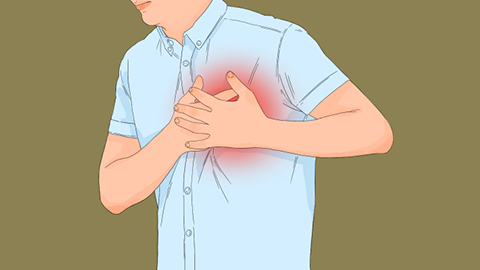
When measuring blood pressure and heart rate, ensure you are in a quiet environment and have rested for at least 30 minutes beforehand. Physical activity can stimulate the nervous system and thereby affect the accuracy of measurements. For individuals with hypertension, effective blood pressure control is crucial. In cases of isolated hypertension accompanied by bradycardia, lifestyle modifications should be prioritized to help manage elevated blood pressure.

To maintain a healthy heart rate, incorporate regular physical activity into your daily routine. Exercise strengthens cardiac function, enhances myocardial energy metabolism, improves coronary blood supply and oxygen utilization, and gradually lowers resting heart rate. We hope this article has been helpful. Wishing you a joyful life and optimal health!





