


Does hepatitis B have an incubation period?
May 23, 2022
Source: Cainiu Health

Dr. Jiang Weimin
Introduction
Hepatitis B has an incubation period, which refers to the initial stage of hepatitis B virus (HBV) infection during which viral replication occurs in the body but no corresponding clinical symptoms are present. This stage is known as the hepatitis B incubation period, which typically lasts approximately six weeks to six months. After HBV infection—especially in adults—the hepatitis B surface antigen (HBsAg) can be detected in the blood as early as 1–2 weeks and as late as approximately 11–12 weeks post-infection.
The entire process—from pathogen entry into the human body to the onset of symptoms—encompasses pathogen replication, growth, and dissemination within the body, leading to tissue damage and functional abnormalities, ultimately culminating in the appearance of clinical symptoms. So, does hepatitis B have an incubation period?
Does Hepatitis B Have an Incubation Period?
Yes, hepatitis B does have an incubation period. This refers to the initial phase following hepatitis B virus (HBV) infection during which viral replication occurs in the body, yet no corresponding clinical symptoms are present. The incubation period for hepatitis B typically lasts approximately six weeks to six months. After HBV infection—particularly in adults—the hepatitis B surface antigen (HBsAg) can be detected in the blood as early as 1–2 weeks or as late as 11–12 weeks post-exposure. HBsAg persists for a variable duration before following one of several possible clinical courses, including progression to chronic hepatitis B virus carriage.
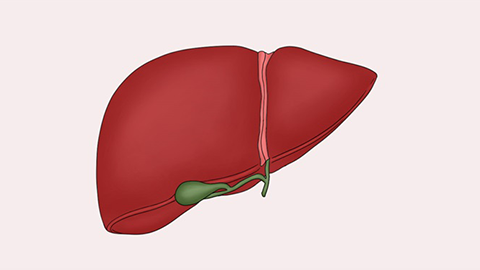
The most common preventive measure against hepatitis B is eliminating the source of infection. Infected individuals should be isolated appropriately, and convalescent carriers require regular follow-up monitoring. The isolation period for hepatitis B patients is longer than that for hepatitis A patients. Additionally, blood-feeding arthropods—including mosquitoes, bedbugs, and fleas—may potentially transmit hepatitis B.

Carriers should maintain strict personal and occupational hygiene to prevent contamination of the surrounding environment by saliva and other bodily secretions. Utensils, toothbrushes, face-washing implements, and washbasins must be kept separate from those used by healthy individuals. We hope this information has been helpful to you!





