


What is the normal range of bile acids in pregnant women?
May 23, 2022
Source: Cainiu Health

Dr. Lv Aiming
Introduction
There is some variation among different hospitals and testing laboratories. However, a serum bile acid concentration of 10 μmol/L is generally considered the threshold: levels above 10 μmol/L indicate elevated bile acids, and concentrations exceeding 40 μmol/L suggest severe intrahepatic cholestasis. Elevated bile acids represent one of the more common complications in pregnant women, known as intrahepatic cholestasis of pregnancy (ICP).
In daily life, many individuals experiencing their first pregnancy are unfamiliar with fundamental reproductive health knowledge. To better assess maternal and fetal well-being, it is essential to confirm that certain laboratory values fall within normal ranges. So, what is the normal reference range for bile acids in pregnant women?
What Is the Normal Reference Range for Bile Acids in Pregnant Women?
During pregnancy, serum bile acid levels typically remain below 10 µmol/L. Slight variations may exist among different hospitals and testing laboratories; however, a level of 10 µmol/L is generally accepted as the upper limit of normal. Levels exceeding 10 µmol/L indicate elevated bile acids, and values above 40 µmol/L strongly suggest severe intrahepatic cholestasis of pregnancy (ICP). Elevated bile acids represent one of the more common pregnancy-related complications—namely, intrahepatic cholestasis of pregnancy—which clinically manifests most frequently as pruritus (intense itching), usually emerging during the second or third trimester. Pregnant women experiencing pruritus should promptly undergo bile acid testing.
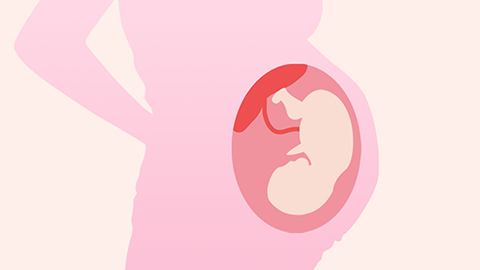
While intrahepatic cholestasis of pregnancy poses minimal risk to the mother, it carries significant risks for the fetus. Elevated bile acids may accumulate in placental tissue, impairing placental blood flow and potentially leading to fetal intrauterine hypoxia and even intrauterine fetal demise. Therefore, close monitoring—including continuous fetal heart rate monitoring and assessment of fetal well-being—is critical for women with elevated bile acid levels. In late pregnancy, if fetal heart rate monitoring reveals clear abnormalities suggestive of intrauterine hypoxia, immediate delivery is indicated to safeguard the fetus.

During pregnancy, it is advisable to avoid spicy, heavily seasoned, or irritating foods, and instead consume ample fresh fruits and vegetables. Maintain regular work-rest schedules, avoid excessive physical exertion, ensure adequate rest, and attend all scheduled prenatal check-ups. We hope this information proves helpful!






