Can people with gout eat Chinese cabbage?
May 24, 2022
Source: Cainiu Health

Dr. Pan Yongyuan
Introduction
Patients with gout can safely consume napa cabbage. Gout arises from an imbalance and dysregulation in purine metabolism, leading to progressively elevated serum uric acid levels, which subsequently damage bones, joints, and the kidneys. Napa cabbage contains very low levels of purines; therefore, moderate consumption poses no adverse effect on uric acid metabolism and does not elevate purine levels.
In daily life, we encounter a wide variety of vegetables—fresh, vibrant, and rich in vitamins and dietary fiber. These are indispensable sources of essential nutrients for the human body, and consuming ample fresh vegetables significantly benefits our health. So, can individuals with gout eat Chinese cabbage?
Can individuals with gout eat Chinese cabbage?
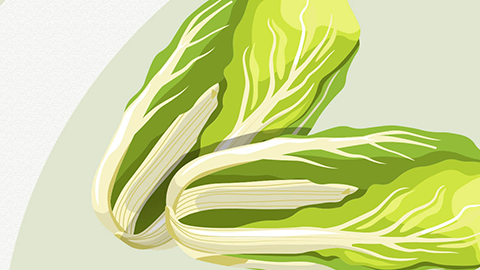
Yes, individuals with gout may consume Chinese cabbage (napa cabbage). Gout arises from an imbalance in purine metabolism, leading to elevated serum uric acid levels, which subsequently damage joints, bones, and kidneys. Chinese cabbage contains extremely low levels of purines; therefore, moderate consumption poses no adverse effect on uric acid metabolism or purine levels. Moreover, Chinese cabbage is abundant in vitamins, minerals, and trace elements, fulfilling some of the nutritional needs of gout patients. Its high water content also confers mild diuretic properties, thereby promoting uric acid excretion.
Individuals with gout may consume generous amounts of vegetables and fruits, including rape greens, lettuce, spinach, carrots, white radishes, green bell peppers, sweet peppers, green beans, cucumbers, winter melon, pumpkin, onions, leeks, cauliflower, silver ear fungus, and wood ear fungus. Vegetables with diuretic properties—such as winter melon and cucumber—are especially beneficial, as they facilitate uric acid excretion.

Additionally, gout patients may include whole grains, eggs, milk, and fruits in their diet. They should minimize intake of high-purine foods—such as soy products and bean sprouts—and limit meat consumption. Seafood and alcoholic beverages should be strictly avoided. We hope this information proves helpful to you!