What is the diagnostic threshold for hypoglycemia?
May 24, 2022
Source: Cainiu Health

Dr. Pan Yongyuan
Introduction
Hypoglycemia criteria can generally be divided into two categories. Hypoglycemia is defined as a blood glucose level below the established threshold. Because baseline blood glucose levels vary among individuals, the diagnostic threshold for hypoglycemia also differs. For most people, hypoglycemia is defined as a blood glucose concentration <2.8 mmol/L; however, in individuals with diabetes, a blood glucose concentration <3.9 mmol/L is considered hypoglycemic.
In daily life, people often hear terms like “hypoglycemia” (low blood sugar) and “hyperglycemia” (high blood sugar), yet many are unable to interpret their laboratory test results. So, what is the diagnostic threshold for hypoglycemia?
What Is the Diagnostic Threshold for Hypoglycemia?
The definition of hypoglycemia varies depending on whether the individual is a healthy person or a person with diabetes. Hypoglycemia refers to a blood glucose level below the normal reference range. Because baseline glucose levels differ among populations, the diagnostic threshold for hypoglycemia also varies. For most healthy individuals, hypoglycemia is defined as a blood glucose concentration below 2.8 mmol/L. In contrast, for individuals with diabetes, a blood glucose level below 3.9 mmol/L is considered hypoglycemic.

Hypoglycemia may arise from irregular eating patterns or inappropriate weight-loss methods. Some individuals—particularly women striving for aesthetic goals—may develop hypoglycemia due to excessive dietary restriction. Patients with hypoglycemia should maintain regular daily routines, eat meals at consistent times and in appropriate portions, and never skip breakfast. Additionally, they should ensure adequate carbohydrate intake throughout the day—opting for foods rich in readily absorbable sugars, such as fruit juices, fructose-containing foods, chocolate, and naturally sweet fruits.
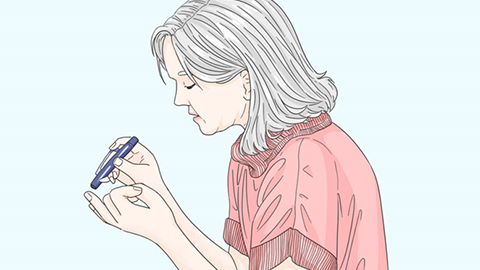
General preventive measures for hypoglycemia include avoiding extreme dieting, incorporating healthy snacks between meals, refraining from vigorous physical activity (e.g., running or stair climbing) while fasting, and observing fasting requirements appropriately during medical check-ups or prenatal examinations. If blood glucose levels fall significantly low, prompt consultation with an endocrinologist is essential to identify and address the underlying cause. We hope this information proves helpful!