


Differences Between Hepatitis B and Hepatitis C
May 24, 2022
Source: Cainiu Health

Dr. Jiang Weimin
Introduction
Different etiologies: The hepatitis C virus (HCV) is an RNA virus, whereas the hepatitis B virus (HBV) is a DNA virus. Chronic hepatitis C is primarily transmitted via blood, while HBV is mainly transmitted from mother to child. Most children infected with HBV develop chronic infection, whereas most children infected with HCV can spontaneously clear the virus. The situation is reversed in adults: following HCV infection in adulthood…
In daily life, some people are diagnosed with hepatitis B, while others have hepatitis C. Although both are liver diseases, many are unaware of the differences between them. So, what distinguishes hepatitis B from hepatitis C?
Differences Between Hepatitis B and Hepatitis C
The causative agents differ: the hepatitis C virus (HCV) is an RNA virus, whereas the hepatitis B virus (HBV) is a DNA virus. Chronic hepatitis C is primarily transmitted via blood exposure, while HBV transmission occurs predominantly through mother-to-child (perinatal) routes. Most children infected with HBV develop chronic infection, whereas most children infected with HCV spontaneously clear the virus. The situation is reversed in adults: following HCV infection, 50–70% of adults progress to chronic infection, whereas over 85% of adults infected with HBV successfully clear the virus. Due to these distinct virological characteristics, HCV infection can now be completely cured using direct-acting antiviral (DAA) medications, with cure rates exceeding 95%. In contrast, chronic HBV infection remains difficult to cure. Hepatitis B can be effectively prevented through vaccination against HBV; however, no vaccine is currently available for hepatitis C.
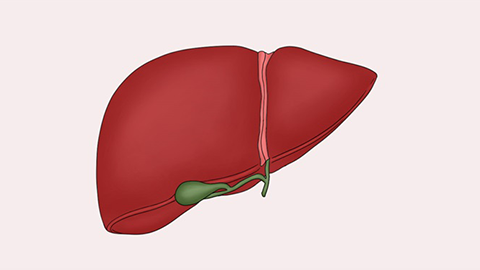
Both HCV and HBV belong to the family of hepatitis viruses and can lead to chronic hepatitis, which may progress to cirrhosis or even hepatocellular carcinoma. Their transmission routes are similar—both viruses can spread via blood exposure, sexual contact, and mother-to-child transmission.
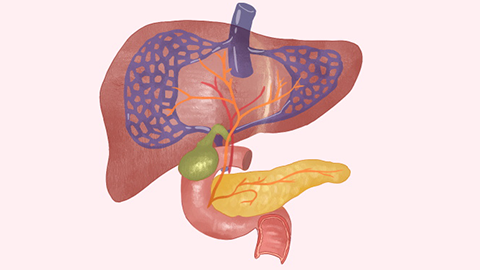
The most critical preventive measures against hepatitis B and C involve interrupting transmission routes. This requires attention to several key areas: practicing safe sex; avoiding sharing needles or syringes for intravenous drug use; and refraining from receiving unqualified or unsafe blood transfusions or blood products. We hope this information proves helpful!





