


What should I do if I constantly sneeze and have a runny nose due to rhinitis?
May 24, 2022
Source: Cainiu Health

Dr. Guo Xiheng
Introduction
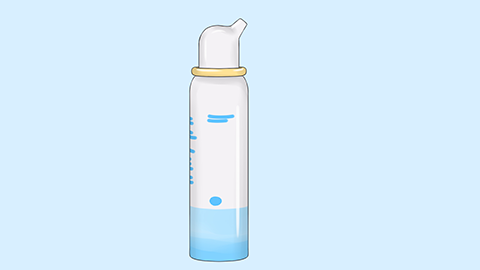
For rhinitis characterized by persistent runny nose and sneezing, pharmacological treatment is available, with nasal sprays being the first-line option. Nasal sprays deliver medication directly to the nasal mucosa, rapidly alleviating mucosal edema and inflammation, reducing secretions, and improving nasal airflow. Corticosteroid nasal sprays—such as fluticasone propionate, triamcinolone acetonide, or budesonide—are commonly used for this purpose.
An increasing number of people are suffering from rhinitis, which significantly impairs quality of life and overall health. Common symptoms include frequent sneezing and nasal discharge.
What should you do if rhinitis consistently causes sneezing and nasal discharge?
Persistent nasal discharge and sneezing due to rhinitis can be treated with medications, with intranasal sprays being the first-line option. These sprays act directly on the nasal mucosa, rapidly reducing mucosal edema and inflammation while decreasing secretions and improving nasal airflow.

Corticosteroid nasal sprays—such as fluticasone propionate or budesonide—are commonly recommended. For allergic rhinitis, antihistamine nasal sprays may also be appropriate. In some cases, nasal sprays alone may not provide sufficient relief; therefore, oral medications may be added. Specifically, patients with allergic rhinitis may benefit from oral antihistamines such as cetirizine or loratadine. Importantly, individuals with allergic rhinitis should also avoid known allergens; wearing a mask in dusty environments is strongly advised.
Among nasal disorders, rhinitis is the most common. When rhinitis-related symptoms appear, identifying the underlying cause is essential. If rhinitis results from an upper respiratory tract infection, appropriate cold remedies may be used. If it is allergy-induced, antihistamines are indicated. Additionally, nasal irrigation (saline rinses) can effectively clear the nasal passages and significantly alleviate these symptoms. We hope this information proves helpful!



