


Can people with gout eat preserved eggs (century eggs)?
May 25, 2022
Source: Cainiu Health

Dr. Liu Aihua
Introduction
Gout patients may consume preserved eggs (century eggs) in moderation, but should avoid excessive intake. This is because preserved eggs contain purines, and gout results from purine metabolism disorders—a metabolic disease characterized by elevated blood uric acid levels. Patients with gout typically experience severe joint pain, often with sudden onset at night. Initial episodes usually resolve spontaneously within several days. Without active treatment, attacks may become more frequent.
Century eggs (preserved eggs) can be prepared in numerous ways—such as in lean pork and century egg congee or served cold as a salad—and are commonly consumed in daily life, making them widely popular among the general public. Some individuals with gout still enjoy eating century eggs. So, can people with gout consume century eggs?
Can people with gout eat century eggs?
Individuals with gout may consume century eggs in moderation, but excessive intake should be avoided. Century eggs contain purines, and gout results from purine metabolism disorders leading to elevated blood uric acid levels—a metabolic disorder. Patients typically experience severe joint pain, often with sudden onset at night. Initial episodes usually resolve spontaneously within several days. Without active treatment, however, attacks may become more frequent. Recurrent episodes can worsen gout and even lead to joint deformity.
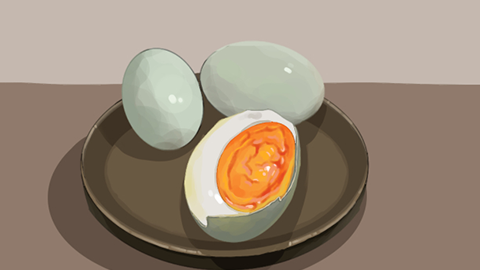
Gout may be triggered by unhealthy dietary habits, exposure to cold or wind, psychological stress, and the inappropriate use of diuretics or other medications. Comorbid conditions such as hypertension or diabetes can also impair uric acid excretion, thereby contributing to gout development. Symptoms can be alleviated using either traditional Chinese medicine or Western pharmaceuticals. Additionally, dietary adjustments are essential in daily life to help control serum uric acid levels and support disease recovery.
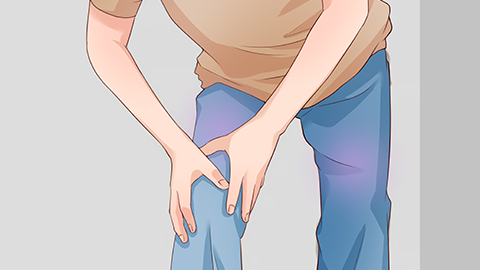
For most gout patients, symptoms remain mild and limited to the early stages, without long-term or severe manifestations. Therefore, these individuals can effectively manage their gout through standard interventions—namely, optimizing sleep-wake patterns and dietary structure—to minimize uric acid elevation and maintain gout within a well-controlled range, preventing severe flare-ups. With appropriate lifestyle management, gout symptoms can gradually improve. We hope this information proves helpful!





