


What is the HBV vaccine?
May 25, 2022
Source: Cainiu Health

Dr. Jin Zhongkui
Introduction
HBV vaccine, also known as the hepatitis B vaccine, is primarily used to prevent hepatitis B infection. While it can indirectly prevent severe complications—such as cirrhosis and hepatocellular carcinoma—that may arise from chronic hepatitis B infection, it does not directly prevent tumors. Hepatitis B virus (HBV) infection readily leads to hepatitis B; thus, management of hepatitis B requires antiviral therapy, hepatoprotective treatment, liver-supportive therapy, and symptomatic supportive care.
During a baby’s developmental stages, multiple vaccines are administered to significantly reduce the risk of common illnesses—making them critically important for the infant’s health. So, what is the HBV vaccine?
What is the HBV vaccine?
The HBV vaccine—also known as the hepatitis B vaccine—is primarily used to prevent hepatitis B infection. While it indirectly helps prevent severe complications arising from chronic hepatitis B infection, such as cirrhosis and hepatocellular carcinoma (liver cancer), it does not directly prevent tumors.
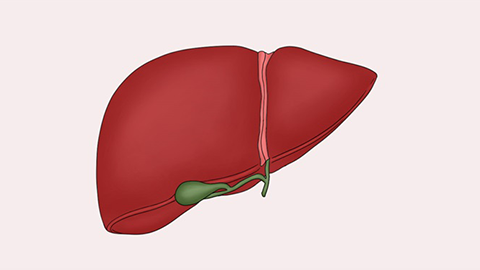
In China, all licensed hepatitis B vaccines contain non-infectious, non-toxic hepatitis B virus antigens. After vaccination, these antigens stimulate the body’s immune system to produce hepatitis B surface antibodies (anti-HBs). When the hepatitis B virus subsequently enters the body, these antibodies recognize and neutralize the virus, thereby preventing liver damage caused by hepatitis B and achieving disease prevention. However, this does not mean that a single dose of the hepatitis B vaccine guarantees protection against hepatitis B infection, nor does it imply that the hepatitis B vaccine alone is sufficient for complete protection. According to official guidelines, a small proportion of vaccinated individuals may fail to develop adequate levels of hepatitis B surface antibodies; in such cases, booster doses may be required.
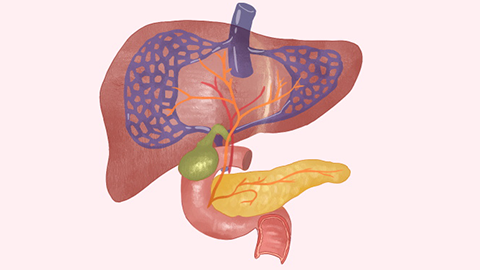
Hepatitis B virus (HBV) infection can readily lead to hepatitis B. For patients diagnosed with hepatitis B, antiviral therapy, hepatoprotective treatment, supportive care, and symptom-based management are essential. We hope this information has been helpful. Wishing you good health and happiness!






