


What should I do if my hands are frostbitten?
May 25, 2022
Source: Cainiu Health

Dr. Liu Wan
Introduction
After frostbite of the skin on the fingers, patients should promptly move away from the cold environment and apply warming measures to the affected skin. Soaking the fingers in warm water or gently massaging the area with a warm, soft towel can improve local cutaneous circulation and alleviate frostbite symptoms. Following warm-water soaking or gentle towel massage, patients may apply chilblain ointment to treat the condition and relieve clinical manifestations such as skin freezing.
What should you do when your hands get frostbitten? This is a common winter concern for many people. As winter arrives, body parts frequently exposed to cold—such as the hands—are particularly susceptible to frostbite. So, what steps should be taken if your hands become frostbitten?
What to Do When Your Hands Are Frostbitten
After frostbite occurs on the fingers’ skin, patients should promptly move away from the cold environment and apply warming measures to the affected area. Soaking the fingers in lukewarm water or gently massaging them with a warm, soft towel can help improve local blood circulation and alleviate cold-induced injury. Following soaking or gentle massage with warm water or a warm towel, patients may apply chilblain ointment to treat the affected area and relieve clinical symptoms such as localized icy sensation or numbness.
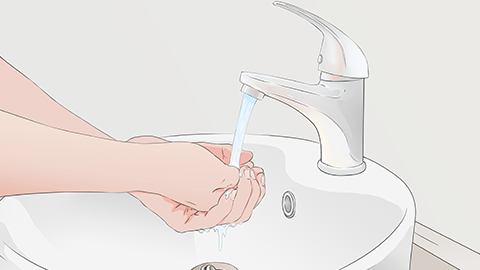
Frostbite of the fingers typically manifests as localized injury. Cold exposure acts on peripheral skin areas—including fingers, backs of hands, toes, tops of feet, face, nasal tip, and earlobes—triggering vasoconstriction and spasm of local cutaneous blood vessels. This impairs blood flow, reduces oxygen supply to connective tissues, and leads to localized inflammatory dermatosis. Clinical signs include localized erythema or purplish-red, swollen, edematous lesions, sometimes with blister formation at the extremities. Patients often experience pruritus (itching) in the affected skin. In daily life, individuals should prioritize keeping their fingers warm—wearing gloves early and avoiding prolonged exposure to cold environments—to prevent frostbite and other cold-related dermatoses.
Frostbite refers to tissue damage caused by low temperatures. Mild cases typically present with localized redness and swelling; once temperature normalizes, symptoms usually resolve spontaneously. More severe cases may cause epithelial cell damage, resulting in blisters and erosion. The most severe forms can lead to ulceration of both epidermis and subcutaneous tissues, as well as destruction of local blood vessels. During winter’s cold weather, appropriate protective and warming measures are essential to prevent frostbite. We hope this information proves helpful. Wishing you good health and happiness!





