


Normal Testosterone Levels in Women
May 26, 2022
Source: Cainiu Health

Dr. Chen Zhe
Introduction
Testosterone levels in women vary across different life stages. During the follicular phase, levels are typically less than 1.4 nmol/L; during the luteal phase, less than 1.7 nmol/L; and after menopause, generally less than 1.2 nmol/L. Levels peak slightly during ovulation but remain below 2.1 nmol/L. A value more than double the upper limit of the normal range may indicate underlying disease or a serious condition.
Testosterone, a key sex hormone, plays a crucial role in bodily development. Under certain circumstances, testosterone levels may rise due to various factors. So, what constitutes the normal testosterone level in women?
Normal Testosterone Levels in Women
Testosterone levels in women vary across different life stages and menstrual cycle phases. During the follicular phase, levels are typically below 1.4 nmol/L; during the luteal phase, below 1.7 nmol/L; after menopause, generally below 1.2 nmol/L; and during ovulation, levels peak but remain under 2.1 nmol/L. If testosterone exceeds this upper limit by more than double, careful monitoring is warranted to assess for potential underlying pathology or serious conditions.

Testosterone is the primary male sex hormone, predominantly secreted by the testes. Clinically, it is commonly evaluated as part of the “six-sex-hormone panel,” which includes estradiol, testosterone, luteinizing hormone (LH), follicle-stimulating hormone (FSH), and prolactin. Within this panel, “androgen” refers specifically to total testosterone. However, total testosterone alone does not always accurately reflect clinical symptoms; thus, free testosterone is considered a more reliable indicator. Currently, however, technical limitations prevent precise and standardized measurement of free testosterone, and no universally accepted, accurate assay method is yet available.
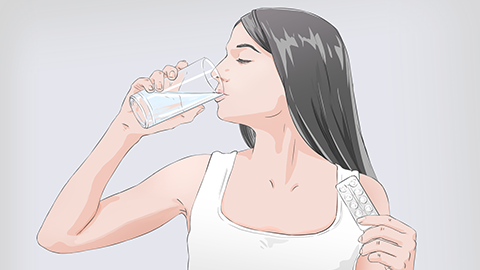
If pharmacological treatment proves ineffective and androgen levels remain significantly elevated, laparoscopic surgical intervention may be considered. Laparoscopically guided ovarian follicle puncture can reduce androgen production, thereby achieving therapeutic goals. We hope this information is helpful to you!








