


Can people with gout eat pumpkin?
May 28, 2022
Source: Cainiu Health

Dr. Pan Yongyuan
Introduction
Gout patients can generally consume pumpkin. Gout is a metabolic disorder caused by abnormal purine metabolism, leading to hyperuricemia and subsequent acute joint damage. Therefore, patients are advised to avoid high-purine foods. Pumpkin contains less than one-quarter milligram of purine per 100 grams, classifying it as a low-purine vegetable. Gout patients may safely consume fresh vegetables.
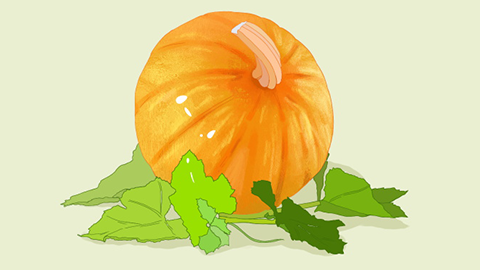
Pumpkin is a vegetable with a bright yellow rind, symbolizing auspiciousness and bountiful harvest—hence representing abundance. In some Western countries, people carve pumpkins into lanterns for Halloween, both to ward off evil spirits and to celebrate the festival. So, can individuals with gout eat pumpkin?
Can individuals with gout eat pumpkin?
Generally, yes—individuals with gout may consume pumpkin. Gout is a metabolic disorder caused by abnormal purine metabolism, leading to hyperuricemia and subsequent acute joint damage. As such, patients are advised to avoid high-purine foods. Pumpkin contains less than 25 mg of purines per 100 g, classifying it as a low-purine vegetable.
Individuals with gout may safely consume fresh vegetables—most varieties are suitable. These vegetables are not only low in purines but also highly nutritious. Gout patients are encouraged to eat more green leafy vegetables, such as celery, chrysanthemum greens, bamboo shoots, Chinese cabbage, spinach, nori, cauliflower, lettuce, and rape (Brassica napus). Such foods neither exacerbate gout symptoms nor prolong gout attacks or trigger recurrence.
Individuals with gout should avoid high-purine foods, including red meat, sausages, chicken, duck, kelp, seafood, organ meats (e.g., liver and kidneys), legumes, chestnuts, and peanuts. Smoking and alcohol consumption are strictly prohibited, as are spicy and greasy foods. High-purine foods may worsen gout symptoms. We hope this information proves helpful!





