


What symptoms occur at four months of pregnancy?
May 30, 2022
Source: Cainiu Health

Dr. Lv Aiming
Introduction
Symptoms of pregnancy at four months may include vomiting, nausea, fatigue, a sensation of heaviness or pressure in the lower abdomen, and increased urinary frequency. By the fourth month of pregnancy, as the uterus continues to expand beyond the pelvic cavity, the most noticeable change is a slight protrusion of the lower abdomen. At this stage, the fetus’s average length is approximately 18 cm. Pregnant individuals with thinner abdominal walls may begin to feel fetal movements, and occasional tenderness may occur.
Many newly married couples, upon learning of a pregnancy, become anxious that even minor lapses in care might adversely affect the developing fetus—especially during the fourth month of pregnancy. So, what symptoms and reactions commonly occur at four months’ gestation?
Symptoms and Reactions at Four Months’ Gestation
At four months’ gestation, common symptoms include nausea, vomiting, fatigue, mild lower abdominal pressure or heaviness, and increased urinary frequency. As the uterus continues to expand beyond the pelvic cavity, the most noticeable physical change is a slight protrusion of the lower abdomen. At this stage, the fetus measures approximately 18 cm in crown-to-rump length. Pregnant individuals with thinner abdominal walls may begin to perceive fetal movements, occasionally accompanied by mild tenderness. The areolae darken, small amounts of colostrum may be expressed from the nipples, and the areolae become more distinct.
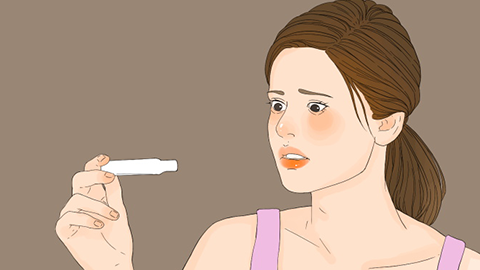
Early pregnancy symptoms typically subside, appetite improves, mood stabilizes, and short-term memory may slightly decline. Metabolic activity increases significantly, and glandular secretions rise. Daily showers and thorough personal hygiene are essential, along with frequent changes of undergarments. Although the fourth month generally marks the end of the acute phase of morning sickness, certain precautions remain important. For instance, pregnant individuals often experience increased sweating and vaginal discharge, raising susceptibility to bacterial infections—thus daily bathing and regular undergarment changes are strongly advised.
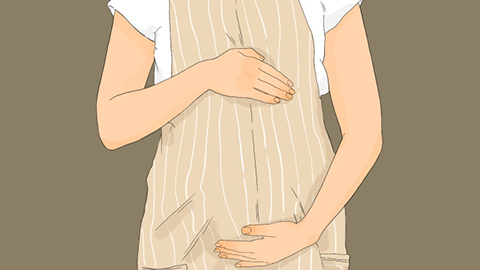
Clothing should be loose-fitting and comfortable. If lower back pain begins, avoid maintaining any single posture for prolonged periods. Additionally, iron-deficiency anemia is relatively common during pregnancy, making iron supplementation especially important. We hope this information proves helpful!








