


Should I get the pneumonia vaccine?
Jun 05, 2022
Source: Cainiu Health

Dr. Guo Xiheng
Introduction
Pneumonia-prevention vaccines are recommended for administration in individuals without allergies or contraindications. In clinical practice, a 19-valent pneumococcal vaccine is available. In addition to the 19-valent vaccine, other pneumococcal vaccines are also available, with prices ranging in the thousands of yuan. These vaccines are suitable for children around two years of age. Following vaccination, up to 19 serotypes of pneumococcal pneumonia can be clinically prevented.
Pneumonia is most commonly caused by *Streptococcus pneumoniae* (pneumococcus). Once this bacterium enters the body, it can impair lung health and lead to pneumonia. So, should one receive a vaccine to prevent pneumonia?
Should one receive a pneumonia-prevention vaccine?
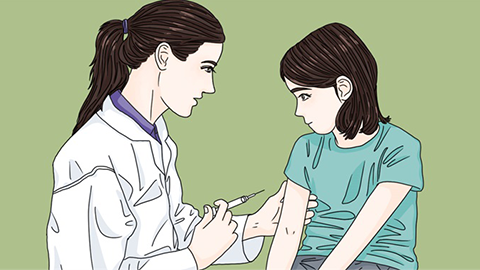
In the absence of allergies or contraindications, vaccination against pneumonia is recommended. In clinical practice, a 19-valent pneumococcal conjugate vaccine (PCV19) is available. Besides PCV19, other pneumococcal vaccines are also available, with costs ranging in the thousands of yuan. These vaccines are suitable for children around two years of age. After vaccination—typically administered at one month, three months, and six months of age—the child gains clinical protection against 19 strains of pneumococcal pneumonia. Following immunization, individuals develop immunity against these 19 strains and are thus less likely to contract infections caused by them. Pneumonia poses a serious threat to children and can even be life-threatening; however, adult pneumonia generally presents with milder clinical symptoms, so routine vaccination is not typically recommended for healthy adults.
Following pneumonia onset, patients commonly experience fever and chills. During this time, the body’s energy consumption increases significantly. It is advisable to avoid raw, cold foods such as watermelon, crab, cold beverages, and ice cream, as they may weaken the spleen and stomach’s yang qi, impairing digestive and absorptive functions and hindering recovery. Additionally, patients with pneumonia should minimize or avoid consuming “heat-inducing” and phlegm-promoting foods—including fish, shrimp, fatty meats, lamb, dog meat, and rooster—as these may exacerbate fever, cough, and sputum production associated with pneumonia.
Vaccination against pneumonia is strongly recommended for eligible individuals to help prevent disease occurrence. We hope this information has been helpful.




