


Is bronchiolitis pneumonia?
Jun 06, 2022
Source: Cainiu Health

Dr. Guo Xiheng
Introduction
Bronchitis is not pneumonia. Bronchiolitis is an inflammation of the smaller bronchioles that has not yet involved the alveoli; however, if it progresses from the bronchioles to the alveoli, it may lead to pneumonia. Bronchiolitis is a common childhood illness, typically occurring in infants under 2 years of age. Symptoms following onset are often severe and primarily include respiratory failure, hypoxia, and sometimes fever. Prompt treatment is essential.
Capillary bronchiolitis (also known as bronchiolitis) is a common acute lower respiratory tract infection in children. This condition typically occurs during winter and may cause localized outbreaks. It primarily affects the small airways—namely, the bronchioles—in the lungs; hence, it is also referred to as “bronchiolitis” in pediatric practice. Once contracted, it can severely impact a child’s physical and mental well-being, necessitating prompt treatment. So, is bronchiolitis the same as pneumonia?
Is bronchiolitis pneumonia?
Bronchiolitis is not pneumonia. It is an inflammatory condition affecting relatively small bronchioles—without yet involving the alveoli. However, if the inflammation progresses from the bronchioles into the alveoli, it may develop into pneumonia. Bronchiolitis is a common illness among young children, especially infants under two years of age. Symptoms are often severe and include respiratory failure, hypoxia, and sometimes fever. Timely treatment is essential and may involve antibiotics or antiviral agents, supplemental oxygen, and—particularly in severe cases—mechanical ventilation. Severe manifestations may include cyanosis, dyspnea, paroxysmal respiratory distress, and concurrent coughing and breathing difficulty.
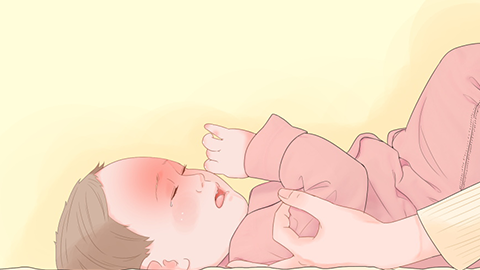
Bronchiolitis is distinct from pneumonia. Although both are lower respiratory tract infections, they differ significantly in terms of anatomical site of involvement and clinical characteristics. Bronchiolitis predominantly affects infants and young children, with inflammation centered mainly in the bronchioles. It is most commonly caused by viral infection. In contrast, pneumonia involves infection of the bronchi, pulmonary interstitium, and alveoli. Clinically, bronchiolitis may mimic pneumonia, making careful differential diagnosis essential. Children with bronchiolitis commonly present with cough, wheezing, and dyspnea, often accompanied by fever. Chest X-ray typically reveals mild thickening and disorganization of bronchovascular markings, but no infiltrative pulmonary inflammatory lesions.
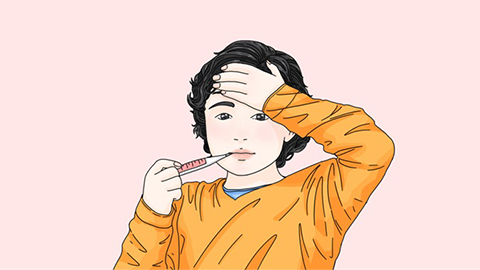
The severity of bronchiolitis in children must be assessed individually based on clinical presentation. Typical symptoms include wheezing and tachypnea. If pulmonary function deteriorates significantly, respiratory failure may ensue—indicating progression to a more critical stage. We hope this information has been helpful.



