


What Should I Do If My Baby Has Pneumonia to Ensure a Quick Recovery?
Jun 06, 2022
Source: Cainiu Health

Dr. Guo Xiheng
Introduction
Infants with pneumonia can be treated with anti-inflammatory therapy. Cephalosporin granules are highly effective for pediatric cases. If the infant has a productive cough, symptomatic medications—such as ambroxol (Mucosolvan) and fresh bamboo juice—may also be used, yielding excellent results. Alternatively, nebulization therapy can provide rapid relief. In daily care, attention should also be paid to the child’s clothing: during fever, overdressing should be avoided, as it impairs heat dissipation and may adversely affect the child’s health.
Pneumonia is a very common lower respiratory tract infection that can occur year-round. Most children affected by this condition are infants under two years of age or children just beginning school. In particular, pneumonia in infants not only causes significant harm to their physical health but may also lead to other complications; therefore, prompt treatment and appropriate nursing care are essential. So, what precautions should be taken when an infant develops pneumonia?
How to Help Your Baby Recover Quickly from Pneumonia
Anti-inflammatory therapy is commonly used for treating pneumonia in infants. Cephalosporin granules are highly effective for pediatric cases. If the baby has a productive cough (i.e., with phlegm), symptomatic medications such as ambroxol (Mucosolvan®) and fresh bamboo juice may also be administered, yielding excellent results. Alternatively, nebulization therapy can provide rapid relief. Additionally, attention should be paid to the child’s clothing: during fever, avoid overdressing the infant, as excessive clothing impairs heat dissipation and may worsen the condition. With antibiotic treatment for mild pneumonia, recovery typically occurs within one to ten days.
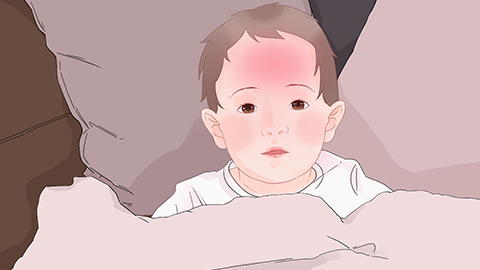
After diagnosis of pneumonia, infants should promptly receive intravenous anti-inflammatory treatment at a hospital, which facilitates relatively faster resolution of pulmonary inflammation. Due to their immature immune systems, young children are highly susceptible to exogenous viral infections, increasing their risk of developing pulmonary inflammation and infection. In addition to pharmacological treatment, it is important to keep children warm and minimize outdoor exposure. Caregivers should adjust the child’s clothing appropriately according to ambient temperature changes to prevent colds. Once the infant reaches six months of age, introducing complementary foods may help improve nutrient absorption and strengthen overall constitution.
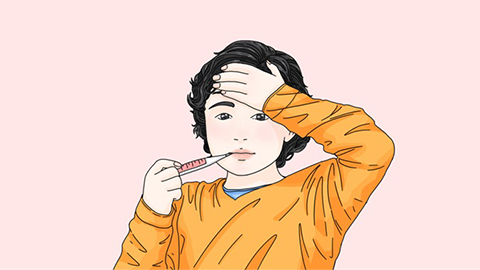
If pneumonia develops, timely treatment is crucial to prevent secondary complications. Infants diagnosed with pneumonia should be evaluated by a pediatric pulmonologist or in the Department of Respiratory Medicine. We hope this information proves helpful.





