


How to Consume White Poria (Poria cocos)
Jun 06, 2022
Source: Cainiu Health

Dr. He Haochen
Introduction
Poria cocos (also known as “Baifuling”) can be used as a medicinal herb, either alone or in combination with other herbs. It is also edible and may be ground into powder to prepare various food products, such as Poria cakes and Poria congee. Poria cocos is the dried sclerotium of the fungus *Wolfiporia extensa* (Peck) Ginns, belonging to the family Polyporaceae. Its medicinal properties are sweet, bland, and neutral; it enters the Heart, Lung, Spleen, and Kidney meridians. Its primary therapeutic actions include promoting diuresis and resolving dampness, strengthening the Spleen, and calming the Mind.
In daily life, most people place great emphasis on health preservation, as proper health practices can help prevent disease and delay aging. So, how should *Poria cocos* (white poria) be consumed?
How to Consume White Poria
White poria can be used medicinally—either alone or in combination with other herbs—or incorporated into the diet as food. For example, it can be ground into powder and made into poria cakes, poria biscuits, poria congee, and other culinary preparations. Poria is the dried sclerotium of the fungus *Poria cocos* (Schw.) Wolf, belonging to the Polyporaceae family. Its medicinal properties are sweet, bland, and neutral, and it enters the Heart, Lung, Spleen, and Kidney meridians. Its primary functions include promoting diuresis and resolving dampness, strengthening the Spleen, and calming the Mind. It is commonly used to treat edema, oliguria, dizziness and excessive phlegm, Spleen deficiency, poor appetite, loose stools or diarrhea, restlessness, palpitations, and insomnia.
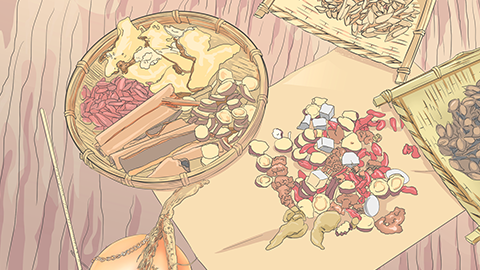
White poria exerts diuretic and damp-resolving effects while strengthening the Spleen and calming the Mind. Clinically, poria demonstrates several therapeutic benefits: • Anti-cancer and anti-tumor activity—owing to its rich content of anti-cancer compounds, poria can inhibit cancer cell proliferation and disrupt cancer cell DNA, thereby playing a significant role in cancer treatment. • Edema management.

Poria enhances urinary output, thereby improving urination and alleviating bodily edema. It may also be used to treat common colds—including symptoms such as cough, sputum production, and general malaise—induced by wind-cold or wind-heat pathogens. Additionally, poria helps manage insomnia, palpitations, and cardiac disorders; white poria, in particular, offers regulatory benefits for these conditions. We hope this information proves helpful!





