


Postoperative Care After Anal Fistula Surgery
Jun 06, 2022
Source: Cainiu Health

Dr. Cheng Yicheng
Introduction
Maintain anal hygiene, as poor hygiene can lead to infection, potentially causing recurrence of anal ulcers or prolonging healing time. After defecation, patients with anal ulcers should cleanse the anal area using warm saline solution or potassium permanganate solution. Subsequently, infrared therapy or a hairdryer may be used to thoroughly dry the area. Additionally, perform anal exercises to enhance local blood circulation.
Anal fistula not only causes significant physical discomfort to patients but also severely impacts their daily life and work. Effective postoperative care can alleviate patient suffering. So, how should patients be cared for after anal fistula surgery?
Postoperative Care Following Anal Fistula Surgery
Postoperative care for anal fistula primarily involves dietary adjustments: avoid smoking, alcohol, chili peppers, and barbecued foods; instead, consume more fiber-rich, bowel-regulating foods such as leafy vegetables and fruits to maintain regular, soft bowel movements. Maintain perianal hygiene—poor hygiene increases infection risk, potentially leading to recurrence of perianal ulcers or delayed wound healing. After defecation, patients with perianal ulcers should cleanse the perianal area using warm saline or potassium permanganate solution, followed by infrared therapy or gentle drying with a hairdryer to ensure thorough drying. Additionally, perform pelvic floor and anal sphincter exercises to enhance local blood circulation.
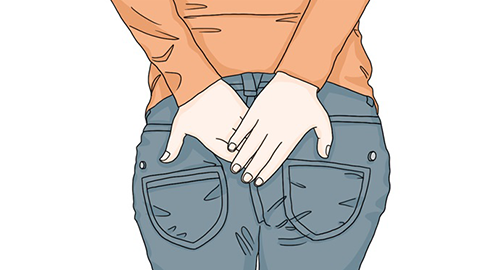
Perianal ulcer is a common inflammatory condition in the perianal region, often triggered by sweat irritation, inadequate local hygiene, fecal contamination, and subsequent skin breakdown—leading to inflammation of the perianal skin and underlying tissues. This may progress to perianal abscess formation and infection, ultimately resulting in perianal ulceration. Clinically, perianal ulcers present as swelling, discomfort, and palpable masses around the anus; spontaneous ulceration with purulent or serous discharge may occur, occasionally resolving without intervention. However, the disease course tends to be protracted and recurrent. Once diagnosed, surgical management—including seton placement or incision and drainage—is indicated. Postoperatively, systemic antibiotics (oral or intravenous) are routinely administered.
In daily life, patients should follow a light, bland diet and avoid spicy or irritating foods, while increasing intake of fresh fruits and vegetables. We hope this information proves helpful to you!






