


What Causes Nosebleeds in Sinusitis?
Jun 08, 2022
Source: Cainiu Health

Dr. Guo Xiheng
Introduction
Sinusitis can sometimes cause epistaxis (nosebleeds). In such cases, prolonged inflammatory stimulation may lead to rupture of the sinus mucosa, resulting in recurrent purulent or bloody nasal discharge; in severe cases, this discharge may be accompanied by a foul odor. Sinusitis is primarily caused by decreased immune function and resistance, as well as viral or bacterial infection. Clinically, *Staphylococcus aureus* is the most commonly implicated pathogen, and sinusitis frequently occurs secondary to acute rhinitis or the common cold.
Patients with sinusitis often experience epistaxis (nosebleeds). Understanding the underlying condition is essential for effective prevention and treatment. So, what causes nosebleeds in sinusitis?
What Causes Nosebleeds in Sinusitis?
Sinusitis can occasionally lead to epistaxis. In such cases, prolonged inflammatory stimulation may cause rupture of the sinus mucosa, resulting in recurrent purulent or bloody nasal discharge; in severe cases, this discharge may be accompanied by a foul odor. Sinusitis primarily arises from decreased immune function and resistance, as well as viral or bacterial infection—clinically, Staphylococcus aureus is the most commonly implicated pathogen, and sinusitis frequently develops secondary to acute rhinitis or the common cold. When significant epistaxis accompanies sinus inflammation, other potential causes must also be considered—such as nasal or sinus tumors or hematologic disorders, both of which predispose patients to recurrent nosebleeds. Comprehensive evaluation—including nasal endoscopy and imaging studies—is necessary to identify the precise source of bleeding and guide targeted, symptom-specific treatment.
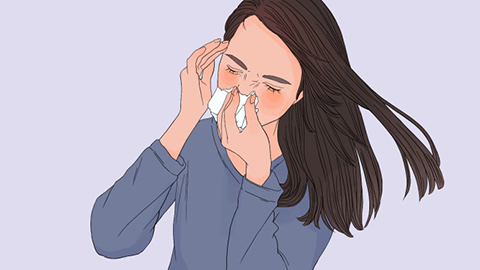
Sinus infection may manifest with fever, facial pressure or pain, headache, persistent nasal congestion, and yellowish abnormal nasal discharge; severe cases may even trigger epistaxis. Definitive diagnosis requires detailed evaluation using electronic nasal endoscopy and sinus CT scanning. For sudden-onset epistaxis, nasal packing is required for hemostasis, along with appropriate anti-inflammatory therapy; in some cases, localized surgical intervention may be necessary.

In daily life, avoid spicy and irritating foods, drink plenty of water to promote metabolism, and engage in moderate outdoor exercise to strengthen immunity. We hope this information proves helpful!



