


How to treat dyshidrotic eczema
Disease description:
I am 20 years old this year, and I have developed many red spots on my body, accompanied by redness, swelling, and itching. I have been diagnosed with dyshidrotic eczema. However, I am a bit afraid of undergoing treatment and would like to know how dyshidrotic eczema should be treated.
 Doctor's answer (1)
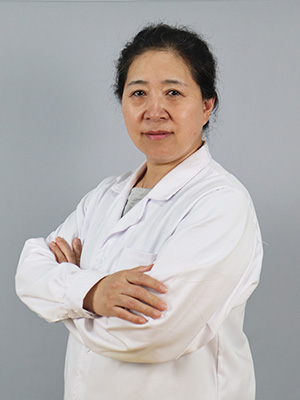
Dr. Wang Xiaoyan
The treatment for dyshidrotic eczema mainly includes:
1. Medication: Depending on the stage of the condition, topical medications such as corticosteroid creams (e.g., hydrocortisone butyrate cream) and calamine lotion may be selected to relieve symptoms such as itching and redness. Oral medications, such as antihistamines (e.g., loratadine), can be used to reduce allergic reactions. Note that medication should be used under the guidance of a physician to avoid self-medication.
2. General care: Keep the affected skin clean and dry, avoid scratching and washing with hot water to prevent worsening of symptoms. Additionally, regulate emotions and avoid excessive mental stress, as emotional factors may also affect the course of dyshidrotic eczema.
3. Improvement of lifestyle habits: Diet-wise, avoid consuming spicy and irritating foods, and increase intake of foods rich in vitamins and protein, which can help enhance immune function. Moreover, maintaining adequate sleep and appropriate exercise can also aid in recovery.
4. Phototherapy or surgical treatment: For patients with severe symptoms or poor response to medication, phototherapy or surgical treatments, such as ultraviolet light therapy or incision and drainage, may be considered. These treatment options should be performed under the guidance of a specialist physician.


