


What causes dry mouth, tinnitus, and a dry tongue?
Jun 27, 2022
Source: Cainiu Health

Dr. Xu Gang
Introduction
Symptoms such as dry mouth and tinnitus are commonly attributed in Traditional Chinese Medicine (TCM) to factors including yin deficiency, inflammatory respiratory infections, and kidney deficiency—collectively referred to as “yin deficiency” in TCM. A comprehensive physical examination at a hospital is recommended for accurate diagnosis. Following confirmation of the diagnosis, integrated treatment may include liver- and kidney-tonifying therapies, blood-activating and stasis-resolving agents, and anti-infective medications. In treating yin deficiency, TCM emphasizes a combined approach of therapeutic intervention and nourishment, primarily utilizing herbal medicine for regulation and restoration.
The human body responds accordingly whenever weather conditions change or lifestyle habits shift. Recently, many people have experienced symptoms such as tinnitus and dry mouth. Although these symptoms are neither life-threatening nor severe, they can still be bothersome and difficult to manage. So, what causes dry mouth, tinnitus, and a parched tongue?
What Causes Dry Mouth, Tinnitus, and a Parched Tongue?
Dry mouth and tinnitus are commonly attributed in Traditional Chinese Medicine (TCM) to patterns such as yin deficiency, upper respiratory tract inflammation or infection, and kidney deficiency—collectively referred to as “yin deficiency.” A comprehensive physical examination at a hospital is recommended for accurate diagnosis. Following confirmation, integrated treatment may include liver- and kidney-tonifying therapies, blood-activating and stasis-resolving agents, and anti-infective medications. In TCM management of yin deficiency, treatment combines both therapeutic intervention and nourishment: the former primarily involves herbal prescriptions tailored by a TCM practitioner; the latter emphasizes adequate rest, balanced daily routines, and dietary adjustments—particularly consumption of foods that nourish kidney yin.
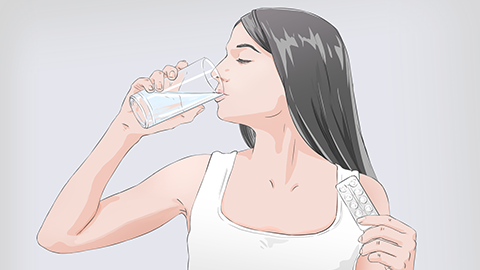
Prompt consultation with a TCM physician for pulse diagnosis and customized herbal therapy is advised. Additionally, ensure sufficient rest, avoid overexertion, regulate your diet appropriately—opting for light, non-greasy, non-spicy meals—and increase intake of fresh vegetables, fruits, and water. Emotional well-being should also be prioritized; maintaining a cheerful and relaxed mood is essential.

If dry mouth persists, further evaluation is warranted to rule out conditions such as Sjögren’s syndrome or diabetes mellitus, both of which can cause excessive thirst and polydipsia. Blood glucose levels should be monitored, and antinuclear antibody (ANA) titers tested. We hope this information proves helpful. Wishing you robust health and a joyful life!




