


Postoperative Care Instructions for Myopia Surgery
Jun 29, 2022
Source: Cainiu Health

Dr. Chen You
Introduction
On the day of surgery, after anesthesia, patients may experience discomfort such as tearing, photophobia, and a foreign-body sensation. This discomfort typically lasts approximately 3–5 hours. During this period, patients should keep their eyes closed and rest as much as possible. Generally, by dinnertime, symptoms subside sufficiently to allow normal eating. At this point, most patients experience a marked improvement in uncorrected visual acuity. Typically, vision stabilizes within one month postoperatively.
For severe myopia and extreme myopia that significantly impair vision, laser surgery or femtosecond laser surgery may be considered. However, the following conditions are contraindications: active ocular disease, diabetes, connective tissue disorders, immunosuppression, or other serious systemic illnesses. So, what precautions should be taken after myopia surgery?
Postoperative Precautions Following Myopia Surgery
On the day of surgery, patients may experience tearing, photophobia, and a foreign-body sensation following anesthesia. These discomforts typically last about 3–5 hours. During this period, patients should keep their eyes closed and rest as much as possible. Generally, by dinnertime, visual acuity will have improved significantly in most patients. Vision usually stabilizes within one month postoperatively. Once eye drops are gradually discontinued, routine follow-up visits are no longer required unless otherwise advised.

In the early postoperative period, some patients may experience difficulty with near vision and may develop symptoms such as unequal vision between the two eyes or double-shadowed vision. These are normal occurrences during recovery, and symptom presentation varies among individuals—both in type and duration—so there is no need for excessive concern. During the initial recovery phase, patients should minimize computer use, limit television viewing and reading, maintain good ocular hygiene, and avoid prolonged or close-range visual tasks to prevent visual fatigue, which could compromise surgical outcomes.
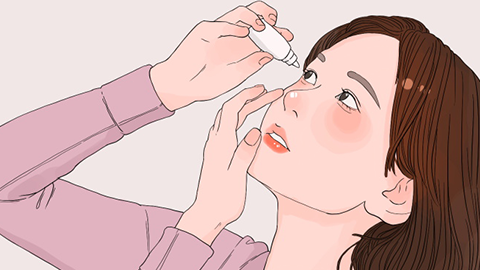
In daily life, cultivating healthy lifestyle and dietary habits is essential. We hope this information proves helpful to you.






