


What Is the Optimal Degree of Myopia for Surgery?
Jun 29, 2022
Source: Cainiu Health

Dr. Chen You
Introduction
Currently, myopia correction surgeries are primarily categorized into four types: TransPRK (transepithelial photorefractive keratectomy), LASIK (laser-assisted in situ keratomileusis), SMILE (small incision lenticule extraction), and phakic intraocular lens implantation. All these procedures require patients to be at least 18 years old. Additionally, the appropriate refractive error range varies depending on the specific procedure: TransPRK is suitable for myopia up to −7.00 diopters; LASIK, up to −12.00 diopters; and SMILE, up to −8.00 diopters.
Myopia is a common condition in our daily lives. In modern society, nearly half of the population suffers from myopia, which impairs visual acuity. When myopia develops, prompt treatment is essential to prevent progression and minimize potential harm to the patient’s eyes.
What Degree of Myopia Is Most Suitable for Surgical Correction?
Currently, myopia correction surgery falls into four main categories: transepithelial (surface) excimer laser surgery, femtosecond-assisted LASIK (often called “semi-femtosecond”), SMILE (small incision lenticule extraction, or “full-femtosecond”), and intraocular lens (IOL) implantation. All these procedures require patients to be at least 18 years old. Moreover, each technique has distinct eligibility criteria regarding refractive error: • Transepithelial excimer laser surgery is generally suitable for myopia up to −7.00 diopters (D); • Femtosecond-assisted LASIK is appropriate for myopia up to −12.00 D; • SMILE is indicated for myopia up to −8.00 D; • IOL implantation may be considered for high myopia up to −20.00 D. Thus, the optimal surgical approach depends on the patient’s specific degree of myopia.
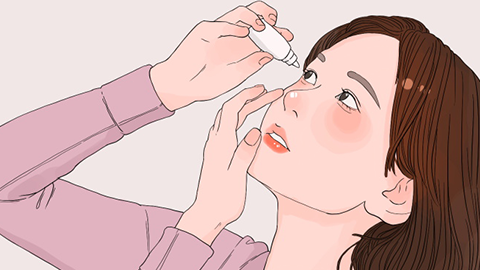
Besides refractive error, corneal thickness requirements also vary among procedures. Excimer laser, femtosecond-assisted LASIK, and SMILE all impose strict minimum corneal thickness requirements. In contrast, IOL implantation places no specific constraints on corneal thickness and can be tailored according to both the patient’s refractive error and individual corneal characteristics.
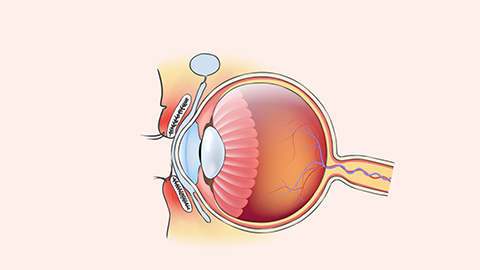
We recommend that patients avoid rubbing their eyes with their hands, limit prolonged screen time on electronic devices, and spend more time outdoors—especially enjoying greenery. We hope this information proves helpful to you.






