


Who is not eligible for myopia surgery?
Jun 29, 2022
Source: Cainiu Health

Dr. Chen You
Introduction
Patients who are not eligible for myopia surgery primarily include those with corneal thinning or retinal diseases, as well as those with a predisposition to allergies or high myopia. Myopia is very common clinically; myopia surgery typically employs laser technology to reshape the cornea by removing part of the corneal stroma, thereby reducing corneal thickness to correct myopia. Generally, such patients are not suitable candidates for myopia surgery.
Myopia is irreversible. With current medical technology, myopia cannot be cured—only corrected. Eyeglasses are the first-line treatment; contact lenses may also be used. In select cases, corneal laser surgery or intraocular lens implantation may be considered to correct myopia. So, who is not eligible for myopia surgery?
Who Is Not Eligible for Myopia Surgery?
Patients generally ineligible for myopia surgery include those with corneal thinning or retinal disease, as well as individuals with a history of allergies or high myopia. Myopia is clinically common, and most refractive surgeries employ lasers to reshape the cornea—specifically by removing stromal tissue—to reduce corneal thickness and thereby correct refractive error. Contraindications to myopia surgery typically include: patients under age 18 with unstable vision; pregnant or lactating women; individuals with connective tissue disorders or significant allergic conditions; those with severe dry eye syndrome; active ocular infections such as conjunctivitis or dacryocystitis; and patients exhibiting peripheral retinal degeneration, advanced macular disease, or severe myopic changes—including poor visual acuity—rendering them unsuitable candidates for surgical correction.
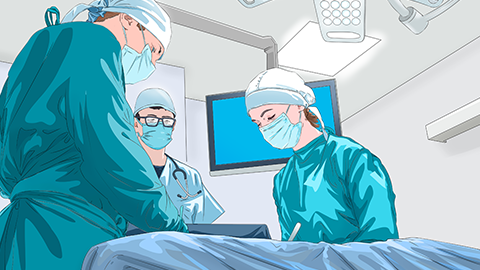
For the first two days postoperatively, wear protective eyewear (e.g., goggles or sunglasses) to shield your eyes. While sleeping, take precautions to protect your eyes and avoid external pressure that could displace the corneal flap. For one week after surgery, avoid spicy or irritating foods; when washing your hair or face, prevent water from splashing into your eyes and refrain from rubbing them. Swimming is prohibited for three months post-surgery, and you should avoid any trauma or impact to the eyes during this period. Take care to protect your eyes and prevent visual fatigue or overuse.

We recommend that patients strictly follow their ophthalmologist’s instructions after surgery, including regular use of prescribed medications to prevent local infection. We hope this information is helpful to you.






