


Foods Beneficial for Improving Vision in Myopia
Jun 29, 2022
Source: Cainiu Health

Dr. Chen You
Introduction
Regarding foods claimed to improve myopia and restore vision, although numerous products are heavily advertised on the market—including goji berries, corn, carrots, pumpkin, papaya, mangoes, peaches, cabbage, spinach, lettuce, mung beans, rape greens, chrysanthemum flowers, honeysuckle, and astragalus—what matters most is maintaining a balanced diet that provides all essential nutrients required by the human body.
Today, people’s living standards have improved significantly, and a wide variety of electronic devices continue to emerge. Many children become excessively absorbed in using these devices, resulting in progressively declining vision—often developing myopia at a very young age. Wearing glasses daily has become routine; in fact, parents are deeply concerned upon observing this trend. So, what foods are beneficial for improving vision in individuals with myopia?
Foods Beneficial for Myopia-Related Vision Improvement
Although numerous products advertised on the market—such as goji berries, corn, carrots, pumpkins, papayas, mangoes, peaches, cabbage, spinach, lettuce, mung beans, Chinese rape (brassica rapa), chrysanthemum flowers, honeysuckle, and astragalus—are claimed to support vision recovery in myopia, the most crucial factor remains maintaining a balanced diet that supplies all essential nutrients required by the body. Additionally, engaging in approximately two hours of outdoor activity daily is critically important. Practicing proper eye hygiene—including limiting continuous reading or writing to 30–40 minutes followed by a 10-minute break, looking into the distance periodically, and performing both dynamic and static eye exercises—is also highly recommended.
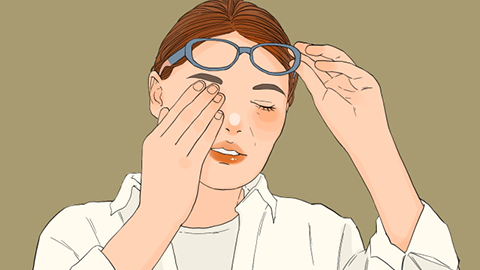
Myopia can be treated surgically. Refractive surgery offers advantages such as rapid visual recovery and minimal disruption to daily life. Following surgery, patients may experience normal postoperative symptoms on the same day—including tearing, photophobia (light sensitivity), and a foreign-body sensation in the eye. In such cases, gently wipe away tears from the face without using tissues or towels to directly touch the eyeball. Instead, close your eyes and rest as much as possible. For the first three months after surgery, avoid swimming and other strenuous activities. Strictly adhere to your ophthalmologist’s prescribed medication regimen—do not change medications or discontinue treatment without medical guidance, to prevent complications such as infection. Regular follow-up examinations are mandatory. When going outdoors at noon under intense sunlight, wear sunglasses to protect your eyes from harmful strong light exposure.
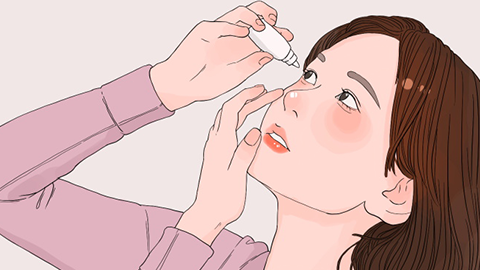
If myopia has already developed, patients must promptly wear appropriately prescribed corrective eyeglasses. We hope this information proves helpful to you.





