


Causes of Congenital Astigmatism in Infants
Jun 29, 2022
Source: Cainiu Health

Dr. Chen You
Introduction
The underlying cause of congenital astigmatism in infants is typically abnormal corneal surface structure resulting from primary congenital disorders, as well as abnormal corneal curvature development and postnatal refractive system developmental anomalies. When astigmatism is detected, prompt referral to an ophthalmology clinic is essential. Initial evaluation should include slit-lamp biomicroscopy to assess for ocular surface space-occupying lesions, inflammatory ocular surface diseases, and lens abnormalities.
Hyperopic astigmatism is closely associated with many unhealthy lifestyle habits. In particular, with the rapid advancement of science and technology, hyperopic astigmatism has significantly impacted daily life. Therefore, it is essential to learn how to use our eyes scientifically in everyday life. When hyperopic astigmatism occurs, timely treatment is also necessary. So, what causes congenital astigmatism in infants?
Causes of Congenital Astigmatism in Infants
Congenital astigmatism in infants typically arises from structural abnormalities of the ocular surface caused by primary congenital disorders. It may also result from abnormal corneal curvature development or abnormal postnatal development of the refractive system. Upon detection of astigmatism, prompt referral to an ophthalmology clinic is crucial. Initial evaluation should include slit-lamp biomicroscopy to assess for ocular surface space-occupying lesions, inflammatory ocular surface diseases, and lens-related pathologies. Both lens disorders and inflammatory ocular surface conditions can lead to abnormal refraction and astigmatism.
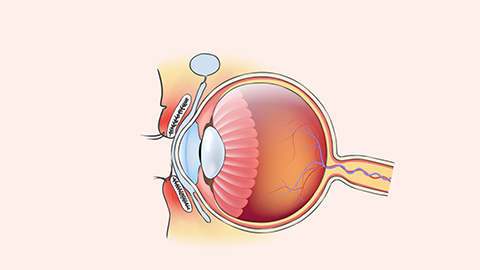
Timely anti-inflammatory therapy should be administered, and the degree of lens opacification assessed to determine whether cataract surgery is indicated. To evaluate potential refractive system abnormalities, cycloplegic refraction is required—this involves pharmacologically relaxing the ciliary muscle to obtain accurate refractive measurements and guide appropriate optical correction for infants. Additionally, screening for congenital retinal or fundus diseases is essential to enable early intervention and treatment.

Following cycloplegic refraction, patients are advised to wear corrective spectacles to treat amblyopia and improve visual acuity. We hope this information is helpful to you.




