


What are the early symptoms of tuberculosis in infants?
Dec 02, 2025
Source: Cainiu Health

Dr. Zhou Xiaofeng
Introduction
Early symptoms of tuberculosis in infants are atypical and generally include persistent low-grade fever, cough with sputum, decreased appetite, night sweats, and lethargy. An infant's body temperature usually rises in the evening or at night and returns to normal by early morning, with fluctuations typically between 37.5°C and 38°C. Chills are not prominent, and common antipyretic medications are ineffective. The low-grade fever may persist for several weeks.
Early symptoms of tuberculosis (TB) in infants are often atypical and may include persistent low-grade fever, cough with sputum, decreased appetite, night sweats, and lethargy. The details are as follows:
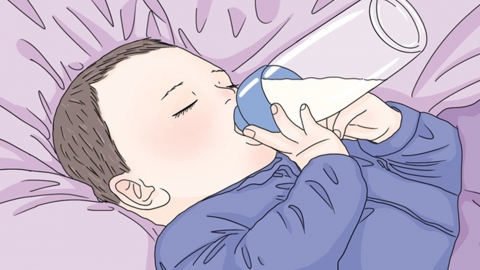
1. Persistent low-grade fever: An infant’s body temperature often rises in the evening or at night and returns to normal by early morning. The temperature usually fluctuates between 37.5°C and 38°C. Chills are typically absent, and common antipyretic medications are ineffective. This low-grade fever may persist for several weeks.
2. Cough with sputum: Initially, the cough is often dry and irritative. As the disease progresses, small amounts of white, sticky sputum may appear. The cough lasts longer than two weeks without significant improvement. Some infants may also experience mild wheezing or coarse breathing sounds.
3. Decreased appetite: Infants show reduced interest in foods they normally enjoy, and their food intake noticeably decreases. Over time, this can lead to slow weight gain or even weight loss. Some infants may also experience gastrointestinal discomfort such as nausea or bloating.
4. Night sweats: Excessive sweating occurs on the head, neck, and back after falling asleep. In severe cases, clothing may become soaked. Sweating stops immediately upon waking. Prolonged night sweats can impair sleep quality and negatively affect the infant’s overall well-being.
5. Lethargy: Infants become less active, tire easily, respond slowly to play and interaction, and may appear emotionally flat. Some may become irritable, fussy, or cry more frequently.
If an infant exhibits any of the above symptoms, it is important to seek timely evaluation at a reputable medical facility. Once diagnosed, treatment should be followed strictly according to medical advice. Daily precautions include ensuring good indoor ventilation, avoiding crowded places, and providing balanced nutrition to support recovery.







