


Is childhood trachomatous keratitis easy to treat?
Jun 29, 2022
Source: Cainiu Health

Dr. Chen You
Introduction
Childhood conjunctivitis with keratitis is generally easy to treat. Local administration of rifampicin or antibiotics is recommended; for severe inflammation, nonsteroidal anti-inflammatory drugs (NSAIDs) may be used as adjunctive therapy. Regular hospital examinations and follow-up visits are essential. If ocular congestion, follicles, or scarring develop, medication and treatment plans should be adjusted promptly. Towels and washbasins that frequently come into contact with the eyes should be regularly ironed and dried.
Trachoma can affect both children and adults, significantly impairing patients’ daily lives. Prompt treatment following onset is essential to achieve optimal outcomes. Delaying treatment beyond the optimal window makes management more difficult and causes considerable discomfort to the patient. So, is trachomatous keratitis in children treatable?
Is trachomatous keratitis in children treatable?
Trachomatous keratitis in children is generally highly treatable. Local application of rifampicin or antibiotics is typically recommended; for severe inflammation, nonsteroidal anti-inflammatory drugs (NSAIDs) may be used as adjunctive therapy. Regular hospital follow-up visits are crucial to monitor disease progression and adjust medications promptly in response to signs such as conjunctival hyperemia, follicles, or scarring. Towels and washbasins frequently used for eye care should be regularly ironed and thoroughly dried to maintain a hygienic living environment. Complications arising from trachoma—including keratitis, corneal ulcers, entropion, or ectropion—should be managed with appropriate medical or surgical interventions based on clinical severity.
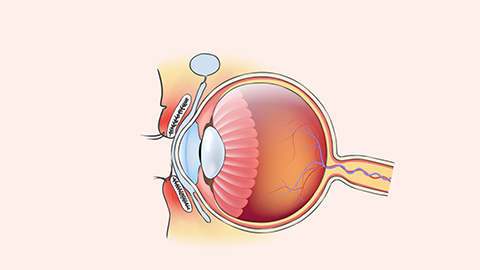
Trachoma is a common ophthalmic disease caused by infection with Chlamydia trachomatis. While it primarily manifests as conjunctivitis, it can also affect the cornea—leading to features such as limbal vascular翳 (pannus), limbal scarring, and other corneal changes collectively termed “trachomatous keratitis.” Effective treatment requires topical anti-Chlamydia agents, such as rifampicin eye drops or sodium sulfacetamide eye drops. Concurrently, strict ocular hygiene must be maintained: during hair washing or face cleansing, avoid allowing contaminated water to enter the eyes, as this may exacerbate infection. With standard therapeutic regimens, C. trachomatis infection is typically fully resolved within approximately two weeks to one month.

Patients are advised to prioritize ocular hygiene. Second, topical rifampicin or antibiotics should be administered as prescribed, accompanied by regular ophthalmologic follow-up examinations. Finally, complications secondary to trachomatous conjunctivitis should be managed according to their specific nature and severity. We hope this information proves helpful.






