


Are astigmatism and myopia hereditary?
Jun 29, 2022
Source: Cainiu Health

Dr. Chen You
Introduction
Both regular astigmatism and myopia can be hereditary. Astigmatism associated with myopia exhibits a certain degree of genetic predisposition; however, whether it is inherited depends on the severity of myopia and whether there are genetic abnormalities. In general, both myopia and astigmatism have some degree of heritability—particularly high myopia, or when both parents have high myopia and high astigmatism. However…
Visual problems have become extremely common among the general population. In recent years, particularly, significant changes in lifestyle—especially the increasing reliance on electronic devices—have led to a marked rise in the incidence of myopia and astigmatism. Given this trend, it is essential to enhance public awareness of myopia and astigmatism to implement effective preventive measures in daily life. But are myopia and astigmatism hereditary?
Are Myopia and Astigmatism Hereditary?
Myopia and astigmatism can indeed be hereditary. Both conditions exhibit a certain degree of genetic predisposition; however, whether they are inherited depends on factors such as the severity of myopia and whether specific genetic abnormalities are present. Generally, both myopia and astigmatism demonstrate some degree of heritability—particularly high myopia or cases where both parents have high myopia and/or high astigmatism. Nevertheless, genetic susceptibility does not guarantee that an individual will develop high myopia or astigmatism. Rather, the development of these conditions is more strongly influenced by postnatal factors—including visual habits, timing and duration of near-work activities, and ocular fatigue. Thus, while myopia and astigmatism show a tendency toward heredity, their actual onset depends more significantly on environmental and behavioral factors related to daily life and learning. In summary: myopia and astigmatism can be inherited, but whether they manifest depends largely on postnatal habits and environmental influences.
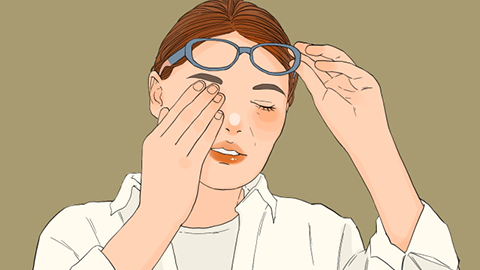
Preventing prolonged eye use helps reduce the risk of developing both myopia and astigmatism—and to some extent, may help prevent astigmatism progression. Whether reading books or using smartphones, avoid continuous visual tasks for more than one hour. After one hour of near work, take a break or perform eye exercises. These practices help relax the ciliary muscles, lower intraocular pressure, and reduce the risk of astigmatism and other refractive errors.
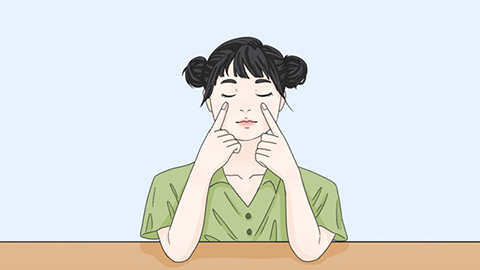
Patients are advised to avoid prolonged visual tasks, take frequent breaks, and refrain from staying up late. We hope this information proves helpful to you.




