


What is the optimal age for undergoing laser surgery for myopia?
Jun 29, 2022
Source: Cainiu Health

Dr. Chen You
Introduction
Laser vision correction surgery for myopia is generally performed only in individuals aged 18 years or older. This procedure primarily uses a laser to reshape the cornea by removing a precise amount of corneal tissue. The amount of corneal tissue removed is proportional to the degree of myopia. Therefore, laser myopia correction should be deferred until refractive stability is achieved. Surgery is not recommended if the patient’s refractive error continues to change significantly—such as a substantial increase in myopia—each year.
Some individuals with myopia have undergone refractive surgery. Whether it’s corneal laser surgery or implantable collamer lens (ICL) surgery, rigorous preoperative evaluations are mandatory, and surgery is only performed when appropriate eligibility criteria are met. So, what is the optimal age for undergoing laser myopia correction?
What Is the Optimal Age for Laser Myopia Correction?
Laser myopia surgery is generally recommended for individuals aged 18 years or older. This is because laser treatment reshapes the cornea by precisely removing corneal tissue—its thickness reduction being directly proportional to the degree of myopia. Therefore, the procedure should only be performed once vision has stabilized. If visual acuity continues to deteriorate significantly year after year, surgery is contraindicated. Hence, the standard guideline stipulates that candidates must be at least 18 years old and demonstrate stable refraction before proceeding. The primary rationale is that substantial corneal tissue removal is required—correlating with the severity of myopia—and current laser technology can only correct based on the patient’s present refractive error.
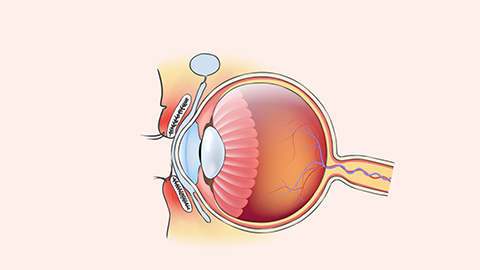
Following laser myopia surgery, patients typically experience rapid visual recovery and can resume normal daily activities as early as the day after surgery. However, not all patients achieve their full expected visual outcome preoperatively. Thus, prior to complete visual stabilization, patients should avoid eye strain—particularly prolonged use of smartphones, computers, and other digital screens—as this may lead to visual fluctuations and dry eye syndrome. Postoperatively, physicians prescribe anti-inflammatory and lubricating eye drops; patients must adhere strictly to the prescribed dosing schedule and attend scheduled follow-up visits. In fact, postoperative follow-up is a critical and essential component of care. Patients should continue medications as directed by their ophthalmologist and prioritize adequate ocular rest.
We recommend consuming foods rich in vitamin A, such as milk, eggs, carrots, oranges, and apricots. We hope this information proves helpful to you.





