


Will people with myopia develop presbyopia in old age after undergoing refractive surgery?
Jun 29, 2022
Source: Cainiu Health

Dr. Chen You
Introduction
After developing myopia, individuals will still experience presbyopia in old age. Presbyopia is a physiological decline in the eye’s accommodative function associated with aging, typically beginning around ages 40–45. In patients with myopia, the onset of presbyopia may be slightly delayed. Presbyopia is a natural physiological phenomenon caused primarily by progressive hardening and reduced elasticity of the crystalline lens. Additionally, it results from diminished ciliary muscle function.
Myopia is one of the most common refractive errors. It occurs when, with the eye in a relaxed state, parallel light rays entering the eye focus in front of the retina—resulting in blurred vision due to the inability to form a clear image on the retina. So, do individuals with myopia develop presbyopia in old age?
Do individuals with myopia develop presbyopia in old age?
Yes, individuals with myopia do develop presbyopia as they age. Presbyopia is an age-related physiological decline in the eye’s accommodative function, typically beginning around ages 40–45. In myopic patients, the onset of presbyopia may be slightly delayed. Presbyopia is a natural physiological phenomenon caused primarily by progressive hardening and reduced elasticity of the crystalline lens. Additionally, it results from weakening of the ciliary muscle, leading to diminished accommodative capacity. Presbyopia commonly manifests as difficulty performing near-vision tasks—such as reading—with early-stage symptoms often including the need to hold reading material farther away to achieve clear vision.
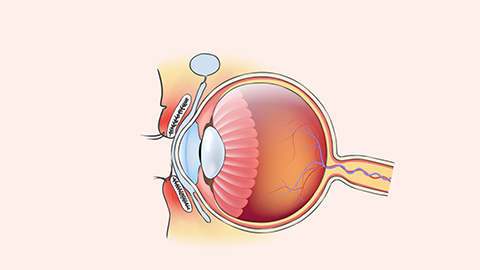
Presbyopia frequently causes visual fatigue, resulting from excessive contraction of the ciliary muscle and associated overstimulation. Initial management should include comprehensive vision testing and refraction. Subsequently, appropriate presbyopic correction (e.g., reading glasses) should be prescribed based on the patient’s occupational demands and reading habits. Importantly, myopia and presbyopia represent two distinct types of refractive error.
In daily life, patients should maintain a positive mindset and actively cooperate with their physicians during treatment. Medications should be taken regularly and as prescribed, and proper self-care practices should be observed to facilitate prompt improvement in symptoms. We hope this information has been helpful.









