


What should be done if a person with myopia develops macular disease?
Jun 29, 2022
Source: Cainiu Health

Dr. Chen You
Introduction
Myopic macular degeneration can be treated with medications and laser therapy. The pathological changes associated with myopia affecting the macula primarily manifest as macular hemorrhage, extensive subretinal neovascularization, and pigmentary disturbances. Therefore, treatment mainly focuses on inhibiting vascular bleeding. For instance, tranexamic acid may be administered during the early stage of hemorrhage, while the traditional Chinese medicine (TCM) preparation Xuefu Zhuyu Capsules—used for promoting blood circulation and resolving stasis—may be employed after hemorrhage has stabilized. Additionally, TCM herbal decoctions may be considered, tailored to the individual’s specific pattern differentiation.
Macular disease is a serious ophthalmic condition that, once developed, can cause irreversible damage to vision. In severe cases, it may lead to blindness, thereby increasing the patient’s psychological burden and adversely affecting mental health. So, what should be done if a person with myopia develops macular disease?
What to Do If Myopia Leads to Macular Disease
Myopic macular disease can be treated with medications and laser therapy. The pathological changes associated with myopia affecting the macula primarily include macular hemorrhage, extensive subretinal neovascularization, and pigmentary disturbances. Therefore, treatment mainly focuses on inhibiting vascular bleeding. For instance, tranexamic acid may be administered during the early hemorrhagic phase, while traditional Chinese medicine (TCM) preparations such as Xuefu Zhuyu Capsules—designed to promote blood circulation and stop bleeding—may be used after hemorrhage has stabilized. Individualized TCM herbal decoctions may also be prescribed based on syndrome differentiation and treatment principles.
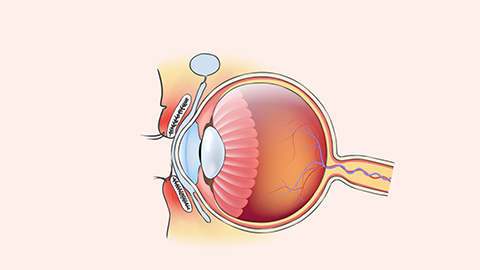
During treatment, proper ocular care must also be emphasized. Avoid prolonged or excessive eye strain—such as extended computer or smartphone use—to prevent visual fatigue, which can serve as an adjunctive measure in managing macular disease. In cases of severe macular involvement, surgical intervention may be considered to rapidly improve clinical symptoms and alleviate complications associated with high myopia.

In daily life, patients should maintain a positive mindset and actively cooperate with their physicians’ treatment plans. Medications should be taken regularly and at the prescribed dosage, and attention should be paid to routine eye care to facilitate prompt improvement of the condition. We hope this information proves helpful to you.





