


Is it beneficial to wear glasses continuously for myopia?
Jun 29, 2022
Source: Cainiu Health

Dr. Chen You
Introduction
Whether it is advisable for a person with myopia to wear glasses continuously depends on the degree of refractive error. In most cases, individuals with myopia should wear glasses consistently; however, if the myopia is mild and the patient is an adult, intermittent use of glasses may be considered. This is because adults’ eyes are relatively stable in structure, and with low myopia, they typically do not experience visual fatigue without glasses. Additionally, glasses are generally unnecessary for near tasks.
Currently, myopia is highly prevalent among the general population. For individuals with mild to moderate myopia, vision can be gradually restored—and further progression of myopia slowed—through targeted interventions and lifestyle adjustments.
Should individuals with myopia wear glasses continuously?
Whether continuous glasses wear is appropriate depends on the degree of myopia. In most cases, individuals with myopia should wear corrective lenses consistently. However, for adults with low myopia (e.g., ≤ −1.00 D), intermittent use may be considered. This is because adult eyeballs are generally stable in shape and refractive status; low-degree myopia typically causes minimal visual fatigue without correction. Glasses may be omitted during near tasks (e.g., reading or writing) and when viewing distant objects—including movies. Conversely, if high myopia leads to significant visual fatigue or discomfort when uncorrected, full-time glasses wear is recommended. Consistent correction helps reduce ocular strain during daily activities and better supports the stabilization of refractive error.
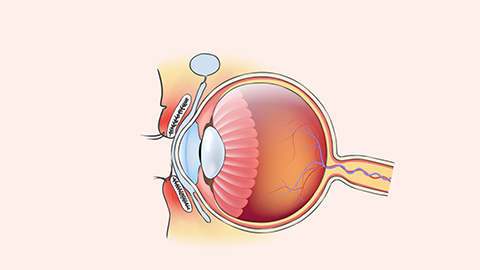
Myopia management includes both surgical and non-surgical approaches. For non-surgical management, orthokeratology (Ortho-K) lenses—also known as corneal reshaping lenses—are widely recognized as a highly effective method for slowing myopia progression. Surgical correction (e.g., LASIK or SMILE) may be considered for patients aged 18 years or older, provided they meet eligibility criteria.

In daily life, whether reading, studying, or watching television, take regular breaks to gaze into the distance—this helps relax the ciliary muscle and prevent myopia progression. Maintain a balanced diet rich in eye-healthy nutrients (e.g., lutein, zeaxanthin, vitamin A), avoid spicy or highly stimulating foods, and ensure adequate sleep—avoiding late-night activity. We hope this information is helpful to you.





