


What Should Be Done for Uterine Prolapse After Childbirth?
Jul 03, 2022
Source: Cainiu Health

Dr. Chen Zhe
Introduction
Postpartum women with uterine prolapse may undergo pessary treatment. The patient should lie supine with knees flexed and feet apart. The posterior rim of the pessary is then tilted downward. In severe cases, the posterior vaginal wall is gently and gradually pushed upward into the upper vagina until the patient reaches her tolerance limit; subsequently, the anterior portion of the pessary is carefully inserted toward the pubic bone. This maneuver can effectively alleviate symptoms. The pessary must be removed before sleeping at night.
Uterine prolapse is a common gynecological condition, frequently observed in women following childbirth. So, what should be done if uterine prolapse occurs postpartum?
Management of Postpartum Uterine Prolapse
Postpartum women with uterine prolapse may be treated using a pessary—a supportive device inserted into the vagina. The patient should lie supine with knees bent and feet flat on the surface, then gently spread the legs apart. Next, tilt the posterior edge of the pessary slightly downward. In severe cases, the posterior vaginal wall should be gently pressed upward into the upper vagina until mild discomfort is felt; subsequently, the anterior portion of the pessary should be carefully guided forward toward the pubic bone. This maneuver can effectively alleviate symptoms. The pessary must be removed before bedtime.
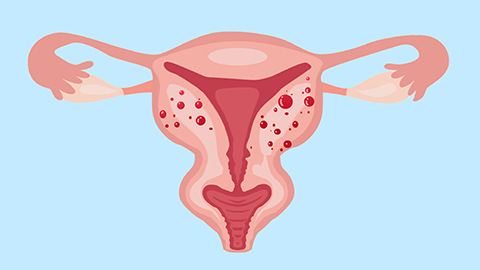
For mild uterine prolapse, gentle cleansing—without excessive anxiety—is generally sufficient. Some patients may develop local tissue ulceration or similar complications; in such cases, warm-water irrigation followed by manual reduction (gently pushing the prolapsed tissue back into the vagina) may help relieve symptoms. Additionally, pelvic floor muscle training is essential. Regularly performing Kegel exercises (pelvic floor contractions) promotes early recovery; however, patients must perform these correctly and consistently.

In daily life, patients should follow a light, balanced diet rich in high-protein foods. Uterine prolapse is preventable. Women—especially new mothers—should maintain a healthy balance between rest and activity. Adequate rest, enhanced nutrition, and consistent pelvic floor muscle training are key to effectively preventing uterine prolapse. We hope this article has been helpful. Wishing you a joyful life and optimal health!




