


What should I do if I experience bleeding from anal eczema?
Jul 04, 2022
Source: Cainiu Health

Dr. Cheng Yicheng
Introduction
Generally, when eczema around the anus ruptures and bleeds, patients first apply iodophor or other antiseptics locally. Additionally, an ice pack wrapped in a towel or gauze may be applied locally for cold compression to constrict local capillaries, prevent further bleeding, and reduce exudation. This cold therapy can also be used concurrently with topical ointments. Corticosteroid-containing ointments may be applied appropriately to promote local healing.
In real life, perianal eczema—a distressing condition—can cause significant psychological discomfort for patients. Particularly when symptoms such as intense pruritus (itching) flare up, patients often feel helpless and embarrassed, especially since scratching is discouraged.
What should be done if perianal eczema causes bleeding?
When eczematous lesions around the anus rupture and bleed, patients should first clean the area locally with iodophor or other antiseptic agents. Additionally, applying a cold compress—using an ice pack wrapped in a towel or gauze—can help constrict local capillaries, thereby minimizing bleeding and reducing exudation. Topical ointments may also be used concurrently; corticosteroid-containing ointments can be applied appropriately to promote local tissue repair and alleviate both exudation and bleeding. Furthermore, under a physician’s guidance, oral antihistamines may be prescribed to relieve itching and other associated symptoms. It is essential to minimize external irritants: wear loose-fitting, cotton undergarments and maintain meticulous perianal hygiene.
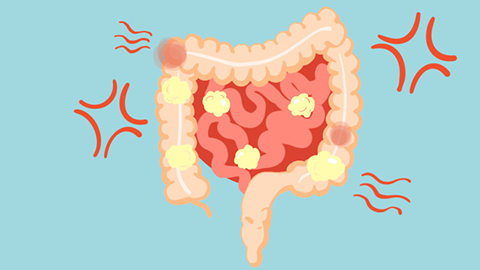
Perianal eczema is a common condition encountered in proctology and frequently observed in daily clinical practice. Importantly, it is not a primary disease but rather a secondary complication arising from underlying anorectal disorders. Common underlying causes include internal hemorrhoids, anal fissures, anal fistulas, and rectal mucosal prolapse. Therefore, once perianal eczema develops, anoscopy is essential to identify its root cause.
Patients are also advised to maintain a positive mental outlook, avoid excessive stress, adopt healthy lifestyle habits—including regular sleep patterns (early to bed, early to rise), smoking cessation, and alcohol abstinence—as these measures support recovery. We hope this information proves helpful to you.





