


What causes darkening of the inner thigh?
Dec 12, 2025
Source: Cainiu Health

Dr. Li Feng
Introduction
In general, darkening of the inner thigh may be caused by friction, hormonal changes, tinea cruris (jock itch), eczema, acanthosis nigricans, or other factors. If discomfort occurs, it is recommended to seek timely medical evaluation and treatment at a正规 hospital. In daily life, wear loose-fitting clothing to reduce friction; maintain local cleanliness and dryness, avoiding damp environments; manage body weight and eat a balanced diet; and avoid scratching if itching occurs.
In general, darkening of the inner thigh area may be caused by factors such as friction irritation, hormonal changes, tinea cruris (jock itch), eczema, or acanthosis nigricans. If discomfort occurs, it is recommended to seek timely medical evaluation and treatment at a正规 hospital. Specific causes are analyzed as follows:
1. Friction irritation: Long-term wearing of tight clothing can cause repeated friction on the skin of the inner thighs, stimulating melanocytes to become active and deposit pigment. Wearing loose, breathable clothing helps reduce local friction, and applying a gentle moisturizing lotion daily may also help.
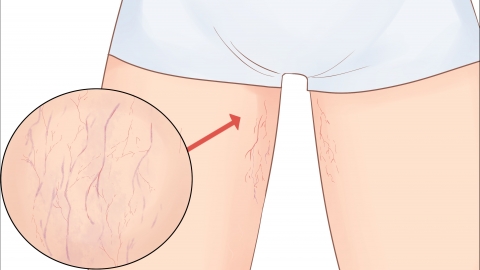
2. Hormonal changes: Fluctuations in hormone levels during puberty or pregnancy, particularly increased estrogen, can stimulate melanin production. No special treatment is usually required; symptoms often gradually improve once hormone levels stabilize. Maintaining good local hygiene is important.
3. Tinea cruris (jock itch): A fungal infection causing inflammation, which may leave post-inflammatory pigmentation, often accompanied by itching and flaking. Treatments may include topical antifungal agents such as terbinafine hydrochloride cream, miconazole nitrate cream, or bifonazole solution, as prescribed by a doctor. Keeping the affected area dry and well-ventilated is essential.
4. Eczema: Chronic eczema triggered by allergies or irritants can lead to repeated inflammation and subsequent melanin deposition, often associated with papules and oozing. Treatment under medical guidance may include topical corticosteroids like desonide cream or mometasone furoate cream, and oral antihistamines such as loratadine tablets. Avoiding contact with known allergens is crucial.
5. Acanthosis nigricans: A condition caused by metabolic abnormalities leading to skin keratinization and thickening, presenting as darkened, thickened skin, commonly seen in individuals who are overweight or obese. Treatments may include topical medications such as tretinoin cream, salicylic acid ointment, or urea ointment, as directed by a physician. Weight management and dietary adjustments are also important.
In daily life, choose loose-fitting clothing to minimize friction; maintain cleanliness and dryness of the area, avoiding damp environments; manage body weight and maintain a balanced diet; avoid scratching when itching occurs, and seek medical advice promptly to determine the underlying cause.



