


What medications are used to treat hypotension?
Jul 08, 2022
Source: Cainiu Health

Dr. Li Man
Introduction
Hypotension should be treated with medications targeting its specific underlying cause, rather than merely raising blood pressure. Chronic vomiting and diarrhea lead to gradual fluid loss, resulting in hypotension; in such cases, oral rehydration salts (ORS) can be administered to replenish electrolytes. Concurrently, the primary disease must be addressed—for instance, Fuzi Lizhong Wan may be prescribed orally for chronic vomiting and diarrhea. Once vomiting and diarrhea are corrected, blood pressure will gradually rise.
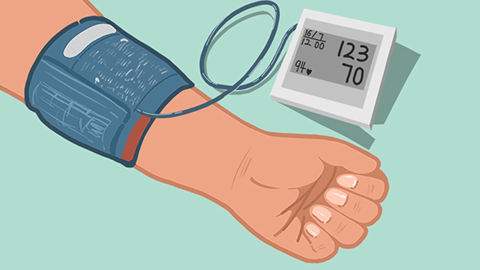
Low blood pressure (hypotension) refers to a condition in which arterial blood pressure falls below the normal range. In adults, hypotension is diagnosed when systolic/diastolic blood pressure in the upper limbs drops below 90/60 mmHg. Patients with hypotension may experience symptoms such as dizziness, visual dimming (e.g., blurred or darkened vision), and oliguria (reduced urine output); in severe cases, syncope (fainting) or shock may occur. Therefore, hypotension can be highly detrimental to health and requires prompt medical intervention. So, what medications are used to manage low blood pressure?
Medications for Managing Low Blood Pressure
Treatment of hypotension should target the underlying cause rather than merely raising blood pressure artificially. For instance, chronic vomiting and diarrhea lead to gradual fluid and electrolyte loss, resulting in hypotension. In such cases, oral rehydration salts (ORS) can be administered to replenish lost electrolytes; concurrently, the primary disease must be addressed—for example, Fuzi Lizhong Wan (a traditional Chinese medicine formula) may be prescribed orally to treat chronic vomiting and diarrhea. Once vomiting and diarrhea are resolved, blood pressure typically rises gradually.
Excessive dietary restriction—often seen in weight-loss regimens—can cause malnutrition and consequent hypotension. Restoring a balanced, nutritionally diverse diet usually leads to a gradual increase in blood pressure. Heart failure represents the end-stage manifestation of many cardiac diseases. As cardiac function declines progressively, it may also result in hypotension; however, treatment focuses primarily on managing heart failure itself. For dyspnea (shortness of breath), digoxin may be prescribed; for marked edema, spironolactone and furosemide are commonly used. Once heart failure is adequately controlled, blood pressure generally improves spontaneously, eliminating the need for specific antihypotensive medications.
If symptoms suggestive of disease arise, timely medical evaluation and active cooperation with healthcare providers are essential. We hope this information proves helpful to you.



