


Causes of Sudden Heart Attack
Jul 12, 2022
Source: Cainiu Health

Dr. Li Man
Introduction
Including unstable angina pectoris, acute myocardial infarction, infective endocarditis, acute myocarditis, cardiomyopathy, acute pericarditis, rheumatic heart disease, heart failure, arrhythmias, aortic dissection, acute cor pulmonale secondary to acute pulmonary embolism, and sudden cardiac death. These conditions may be triggered by stress, excessive excitement, physical exertion, abrupt elevation of blood pressure, or severe straining during defecation.
In modern life, chronic sleep deprivation and excessive mental stress may trigger acute cardiac events. What are the causes of such acute cardiac events?
Causes of Acute Cardiac Events
These include unstable angina pectoris, acute myocardial infarction, infective endocarditis, acute myocarditis, cardiomyopathy, acute pericarditis, rheumatic heart disease, heart failure, arrhythmias, aortic dissection, acute pulmonary embolism-induced acute cor pulmonale, and sudden cardiac death. These conditions may be precipitated by emotional stress, excessive excitement, physical exertion, abrupt elevation in blood pressure, severe straining during defecation, overeating—particularly high-fat meals (leading to elevated blood lipid levels and increased blood viscosity)—shock, dehydration, hemorrhage, surgery, acute infection, or poisoning.

The most common scenarios of acute cardiac events and corresponding first-aid measures are as follows: 1. Patients with coronary artery disease (CAD) are prone to angina pectoris triggered by physical activity or emotional agitation. During an angina attack, the patient should immediately cease all activity, breathe fresh air, and take sublingual nitroglycerin or rapid-acting cardiovascular medications (e.g., Su Xiao Jiu Xin Wan). If symptoms persist for more than 30 minutes, prompt medical evaluation and treatment at a hospital are essential. 2. Patients with CAD, pulmonary heart disease, hypertensive heart disease, or cardiomyopathy may develop heart failure. Upon onset of dyspnea or wheezing, the patient should immediately stop all activity, sit upright to facilitate breathing, receive supplemental oxygen, and take emergency medications such as nitroglycerin.
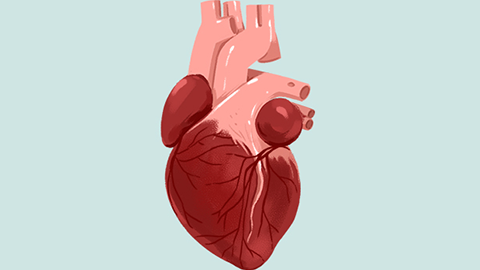
In cases of acute cardiac events, timely medical attention is critical. We hope this information has been helpful to you!




