


What are the criteria for measuring hypertension?
Jul 14, 2022
Source: Cainiu Health

Dr. Li Man
Introduction
For patients at moderate risk, blood pressure should first be monitored before deciding whether pharmacological treatment is necessary; for low-risk patients, a prolonged period of observation is recommended before determining whether to initiate drug therapy. Treatment decisions should closely integrate hypertension staging and cardiovascular risk stratification, comprehensively considering the degree of blood pressure elevation, concomitant risk factors, clinical conditions, and target-organ damage. A comprehensive, individualized treatment plan should be developed for each patient.
As people age, they should regularly monitor their blood pressure—both hypertension and hypotension can adversely affect health. So, what are the diagnostic criteria for hypertension?
What Are the Diagnostic Criteria for Hypertension?
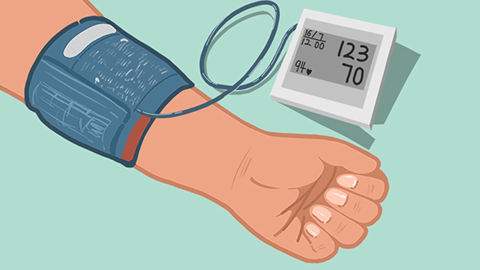
In healthy adults, normal blood pressure is defined as systolic pressure below 140 mmHg and above 90 mmHg, and diastolic pressure below 90 mmHg and above 60 mmHg. The ideal blood pressure is 120/80 mmHg (systolic/diastolic). Prior to measurement, the patient must rest for a period of time. Blood pressure may be measured with the patient seated or supine; however, the arm being measured must be positioned at the same level as the right atrium. When seated, the patient should have back support, and the arm must be adequately supported. The sphygmomanometer cuff should be smoothed out and securely fastened around the upper arm, with its lower edge positioned 2–3 cm above the antecubital fossa.

For patients classified as moderate-risk, blood pressure is initially observed alongside other cardiovascular risk factors; after several weeks of monitoring to better assess the clinical picture, a decision is made regarding initiation of pharmacologic therapy. For low-risk patients, observation continues over an extended period before determining whether drug treatment is warranted. Clinical management must closely integrate both hypertension staging and cardiovascular risk stratification, comprehensively evaluating the degree of blood pressure elevation, coexisting risk factors, associated clinical conditions, and evidence of target-organ damage—thus enabling individualized, comprehensive treatment planning for each patient.
Dietary recommendations include reducing sodium intake and dietary fat, while ensuring adequate potassium and calcium intake. Total fat intake should account for less than 30% of total daily caloric intake. Increase consumption of fresh vegetables, fruits, and fish or shellfish; limit intake of sugary foods and beverages. Regular physical exercise is also strongly advised. We hope this information is helpful to you!





