


How is renal hypertension treated?
Nov 06, 2025
Source: Cainiu Health

Dr. Tian Hongbo
Introduction
In general, the treatment of renal hypertension requires intervention targeting the underlying cause. Common causes include congenital kidney abnormalities, age-related decline in kidney function, chronic glomerulonephritis, diabetic nephropathy, and renal artery stenosis. It is recommended to seek timely medical attention, identify the specific cause, and then improve the condition through general management, medication, surgical treatment, or other methods under a doctor's guidance.
In general, treatment for renal hypertension requires intervention targeting the underlying cause. Common causes include congenital kidney developmental abnormalities, age-related decline in kidney function, chronic glomerulonephritis, diabetic nephropathy, and renal artery stenosis. It is recommended to seek medical attention promptly, identify the specific cause, and then improve the condition under a doctor's guidance through general management, medication, surgical treatment, and other approaches. The detailed analysis is as follows:
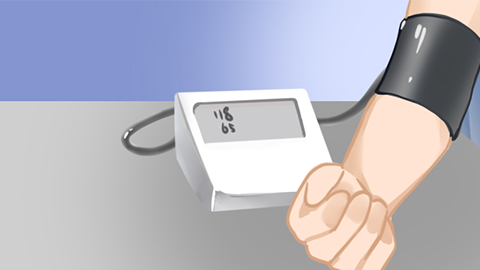
1. Congenital kidney developmental abnormalities: For example, congenital renal hypoplasia, where structural kidney abnormalities impair blood pressure regulation, leading to hypertension. Daily salt intake should be strictly controlled to no more than 5 grams per day. Avoid overexertion, regularly monitor kidney function and blood pressure, and have relevant indicators rechecked every three months.
2. Age-related decline in kidney function: With aging, the glomerular filtration rate decreases, causing water and sodium retention in the body, which elevates blood pressure. Maintain regular sleep patterns, avoid staying up late, and engage in mild exercises such as walking or tai chi to protect residual kidney function and slow the rate of decline.
3. Chronic glomerulonephritis: Glomerular inflammation impairs kidney filtration, obstructing water and sodium excretion and triggering hypertension. Patients should follow medical advice to take medications such as valsartan capsules, irbesartan tablets, and benazepril tablets, which help lower blood pressure, reduce urinary protein, and protect kidney function.
4. Diabetic nephropathy: Prolonged high blood glucose damages kidney blood vessels and glomeruli, leading to declining kidney function and subsequent hypertension. Patients should follow medical instructions to use insulin injection, metformin sustained-release tablets, and glimepiride tablets to control blood sugar, while also using antihypertensive drugs such as nifedipine controlled-release tablets, amlodipine tablets, and hydrochlorothiazide tablets to manage blood pressure.
5. Renal artery stenosis: Narrowing of the renal artery lumen reduces blood supply to the kidneys, activating the renin-angiotensin system and increasing blood pressure. Procedures such as renal artery balloon angioplasty or stent placement can be performed to dilate the narrowed vessel, restore adequate blood flow to the kidneys, and improve hypertension.
In daily life, maintain a low-fat, low-sugar diet and avoid smoking and alcohol consumption. Strictly adhere to prescribed medications and do not adjust dosages independently. Maintain emotional stability and avoid anxiety or stress. Comprehensive management helps maintain stable blood pressure and kidney function, reducing the risk of complications.




